Navigating the Intersection of Enterprise Context Management and IT Service Management for SMBs
The convergence of enterprise context management (ECM) and IT service management (ITSM) is a critical theme for growth-stage small to medium-sized businesses (SMBs). As these organizations expand, they face increasing complexity in their IT infrastructure, making it essential to integrate ECM and ITSM disciplines for improved operational efficiency. In this article, we will delve into the strategic importance of this integration, explore key frameworks and methodologies, and provide actionable recommendations for SMBs looking to navigate this intersection.
Understanding the Landscape: ECM, ITSM, and Their Interplay
Enterprise context management (ECM) is centered around managing the context in which business processes operate, ensuring that all stakeholders have access to accurate, relevant, and timely information. On the other hand, IT service management (ITSM) focuses on the delivery of high-quality IT services to customers, emphasizing service strategy, design, transition, operation, and continual improvement. The interplay between ECM and ITSM is crucial because effective IT service delivery depends on a deep understanding of the business context, including the needs, preferences, and behaviors of customers and users.
Key Benefits of Integrating ECM and ITSM
The integration of ECM and ITSM offers several key benefits, including:
- Enhanced Operational Efficiency: By aligning IT services with business objectives and processes, organizations can streamline operations, reduce waste, and improve productivity.
- Improved Customer Experience: Understanding the business context enables IT to deliver services that meet customer needs more effectively, leading to higher satisfaction and loyalty.
- Increased Agility and Adaptability: With a unified view of business and IT operations, organizations can respond more quickly to changes in the market, regulatory environment, or customer preferences.
- Better Risk Management: Integrating ECM and ITSM facilitates a more comprehensive approach to risk management, ensuring that IT services are designed with security, compliance, and continuity in mind.
Frameworks and Methodologies for Integration
Several frameworks and methodologies can guide the integration of ECM and ITSM, including:
- COBIT (Control Objectives for Information and Related Technology): Provides a framework for IT governance and management, emphasizing the alignment of IT with business objectives.
- ITIL (Information Technology Infrastructure Library): Offers best practices for IT service management, with a focus on service strategy, design, transition, operation, and continual improvement.
- TOGAF (The Open Group Architecture Framework): A framework for enterprise architecture, which can help align business and IT operations through a comprehensive architecture development method.
Implementing Integration: Actionable Recommendations
For SMBs aiming to integrate ECM and ITSM, consider the following steps:
- Assess Current State: Evaluate the current maturity of both ECM and ITSM practices within your organization.
- Define Integration Goals: Identify the key benefits you aim to achieve through integration, such as improved operational efficiency or enhanced customer experience.
- Establish a Cross-Functional Team: Assemble a team with representatives from both business and IT sides to oversee the integration process.
- Choose Relevant Frameworks/Methodologies: Select the frameworks or methodologies that best fit your organization's needs and goals.
- Monitor Progress and Adjust: Regularly assess the integration's progress, identify areas for improvement, and make necessary adjustments.
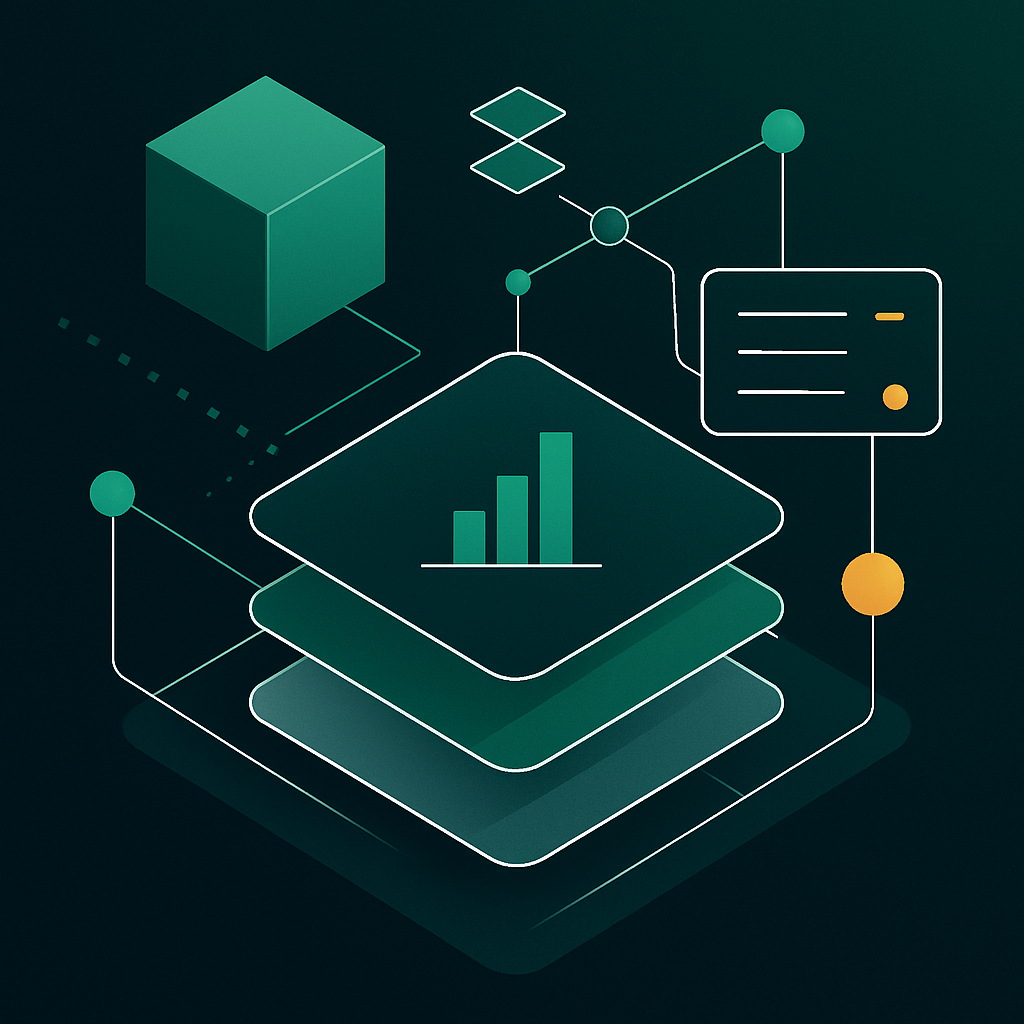
Visualizing the Integration: Architectural Overview
This architectural overview visualizes the integration of ECM and ITSM, highlighting how these disciplines intersect and complement each other to achieve operational efficiency and customer satisfaction.
Conclusion: Navigating the Future of ECM and ITSM Integration
In conclusion, the integration of enterprise context management and IT service management is pivotal for growth-stage SMBs seeking to enhance operational efficiency, customer experience, and competitiveness. By understanding the benefits, choosing appropriate frameworks, and following actionable steps, organizations can navigate this critical intersection and set themselves up for success in an increasingly complex and competitive business landscape.
The future of business operations lies in the harmonious integration of ECM and ITSM, enabling organizations to be more agile, customer-centric, and sustainable.
As technology and business landscapes continue to evolve, the importance of this integration will only grow, making it essential for SMBs to embrace this convergence and lead the way in innovative, efficient, and customer-focused operations.