Enterprise data integration frameworks for AI context platforms — ETL patterns, real-time pipeline architectures, vendor selection guides, and governance models for unified context across siloed enterprise data sources.

A strategic guide that maps GDPR, HIPAA, and FINRA requirements to AI context pipelines, outlining governance checkpoints, data lineage, and compliance‑by‑design practices to ensure audit‑ready integration across siloed systems.

Introduce a phased maturity model that helps enterprises benchmark their AI context integration capabilities, identify gaps in data governance, pipeline reliability, and change management, and define a step‑by‑step roadmap to reach enterprise‑grade maturity.

Explore strategic frameworks for aligning MLOps processes with AI context integration, ensuring seamless collaboration between data engineering and machine learning teams within enterprise environments.

Explore middleware options that enhance security and compliance in AI context data integration across enterprise systems, focusing on vendor comparison, strategic alignment, and implementation readiness.

Explore how data gravity impacts enterprise AI context integration. Understand strategic shifts in data storage, compliance hurdles, and governance practices to optimize data flow across enterprise landscapes.

Explore strategies for balancing global data access with privacy laws and regulations through robust data sovereignty practices when integrating AI context technologies across multinational enterprises.

Explore the relationship between data quality and the return on investment (ROI) of enterprise AI context integration, including strategies for improving data quality to maximize ROI.
Create a comprehensive, vendor-agnostic RFP template for enterprise AI context integration to streamline the procurement process, ensuring alignment with your organization's strategic objectives and compliance requirements.

A tailored framework for assessing the return on investment (ROI) of AI context integration within highly regulated industries such as healthcare and finance, considering compliance, security, and data governance.

Develop a comprehensive governance strategy for AI context integration, ensuring compliance, data quality, and ROI maximization.

Making an informed decision when choosing an AI context integration vendor can be daunting. This article provides a comprehensive framework for evaluating vendors, including key considerations such as scalability, security, and compliance.

Learn how to calculate the return on investment for data integration initiatives in enterprise AI context projects, including strategies for measuring business value and optimizing data pipelines.

This article provides a framework for measuring the business value of AI context integration in various industries, such as healthcare, finance, and manufacturing.

Learn how to quantify the financial benefits of integrating AI context across your enterprise, and develop a robust framework for measuring ROI.

Develop a tailored strategy for integrating AI context into your organization, including change management, ROI analysis, and vendor evaluation.

Design patterns for implementing data mesh principles across AWS, Azure, and GCP to create unified AI context layers while maintaining domain ownership and regulatory compliance in enterprise environments.
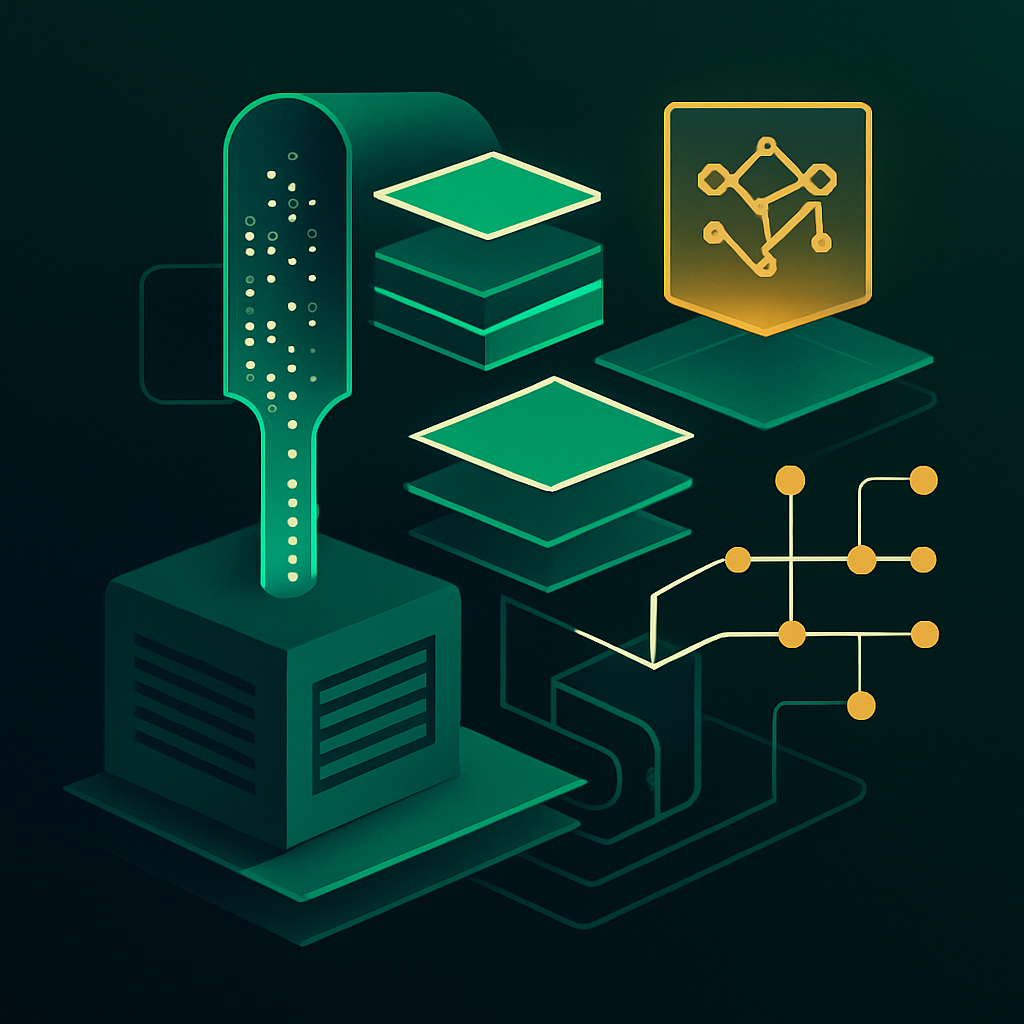
Strategic approaches to extract, transform, and contextualize decades of business logic trapped in mainframe systems, enabling AI applications to leverage historical enterprise data without disrupting critical operations.
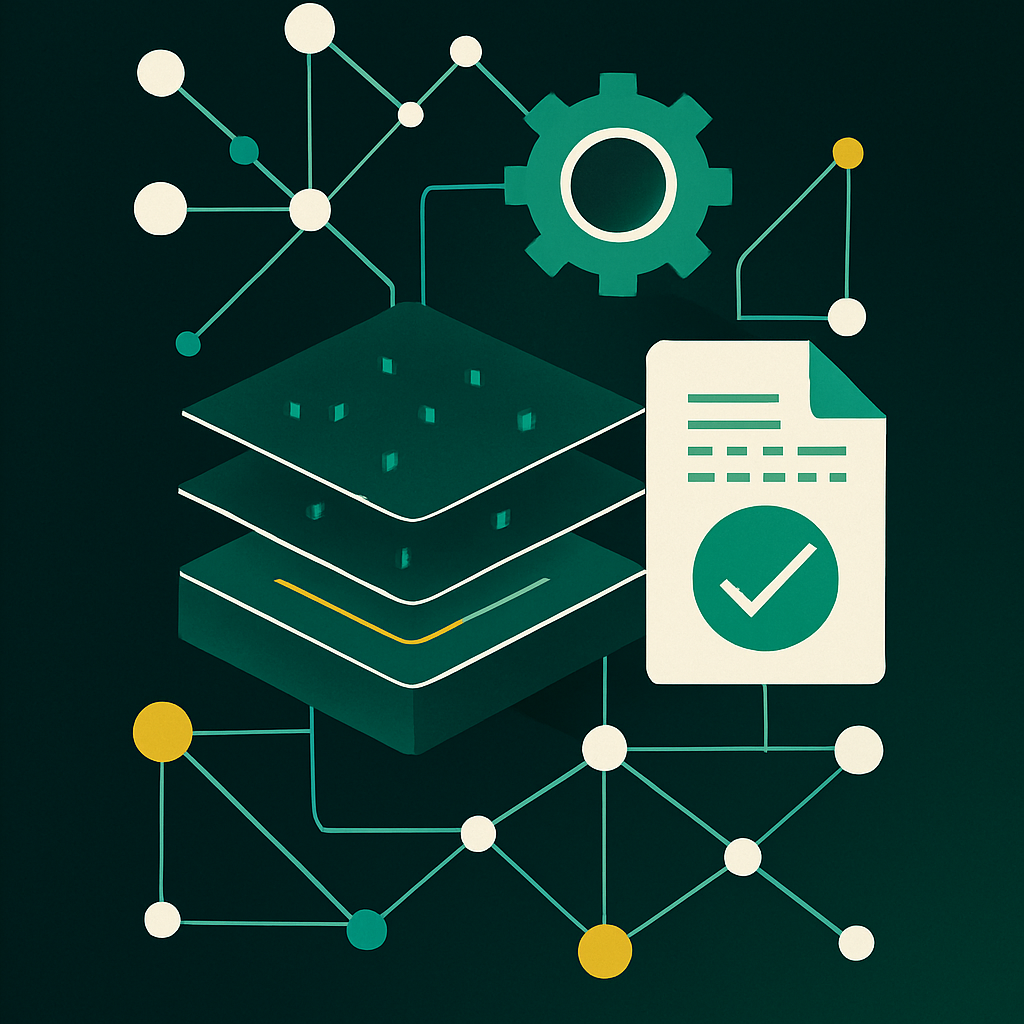
Establish robust data contracts and governance frameworks to ensure reliable AI context quality across distributed teams, with practical implementation patterns for schema validation, SLA monitoring, and automated contract testing.
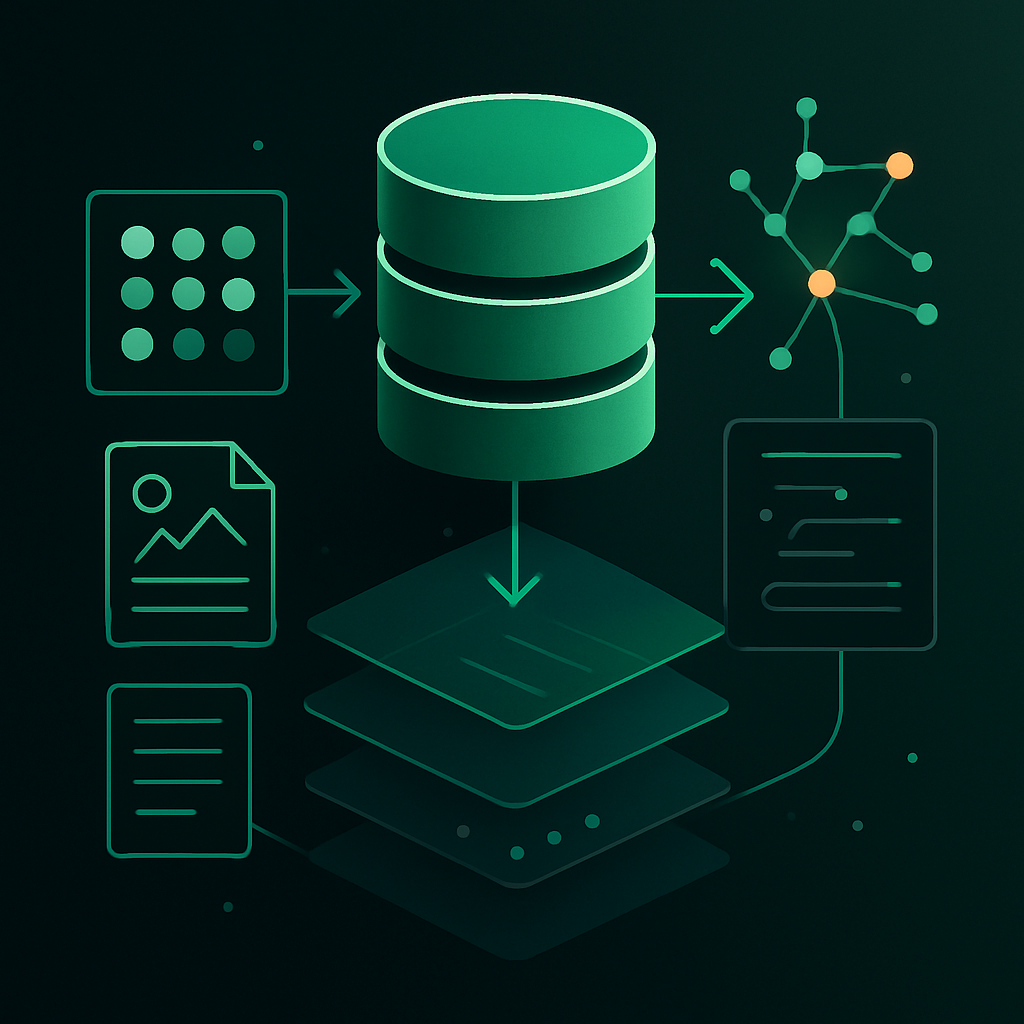
How to architect hybrid data integration pipelines that seamlessly combine traditional RDBMS data with vector embeddings from documents, emails, and multimedia content for comprehensive AI context retrieval.
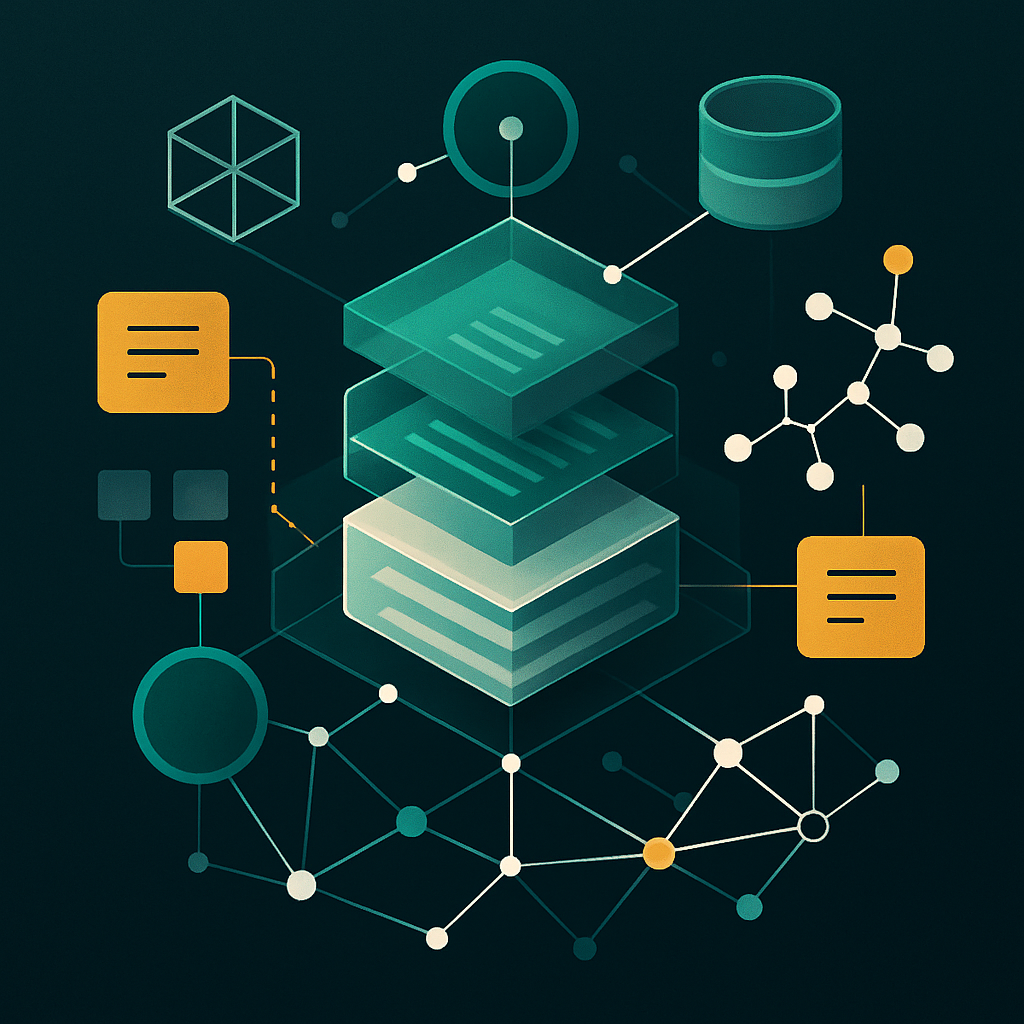
Enterprise architects face the challenge of reconciling conflicting data models from ERP, CRM, and legacy systems for AI context. Learn advanced semantic mapping techniques, ontology-driven transformation pipelines, and automated schema reconciliation strategies that preserve business meaning while enabling unified AI context representation across disparate enterprise data sources.

Explore strategies for implementing federated learning to integrate decentralized data sources securely across multi-tenant AI systems. Learn how to ensure data privacy while enhancing model accuracy through collaborative context sharing.
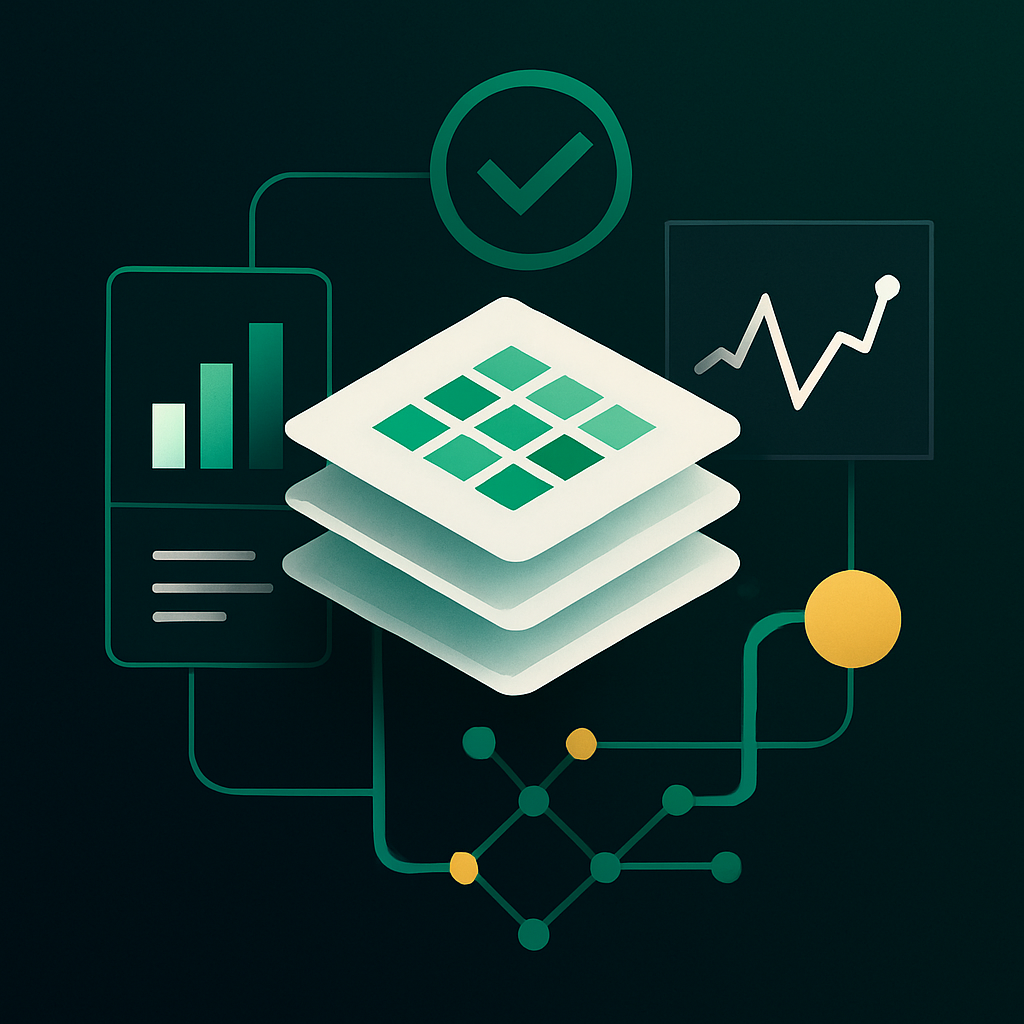
Discover practical strategies for ensuring data quality in AI context pipelines, including data profiling, data normalization, and anomaly detection techniques.
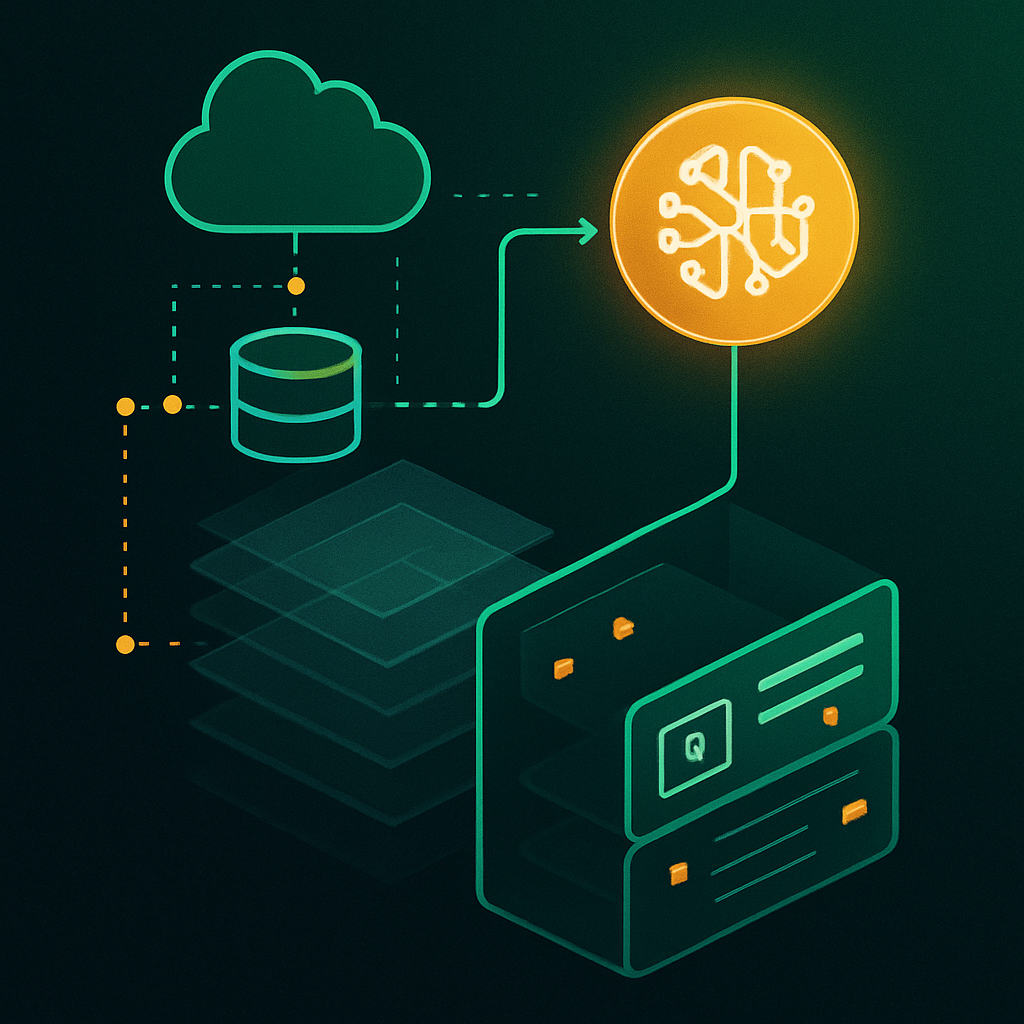
Connect Salesforce data and context with enterprise AI systems to enable intelligent customer engagement.
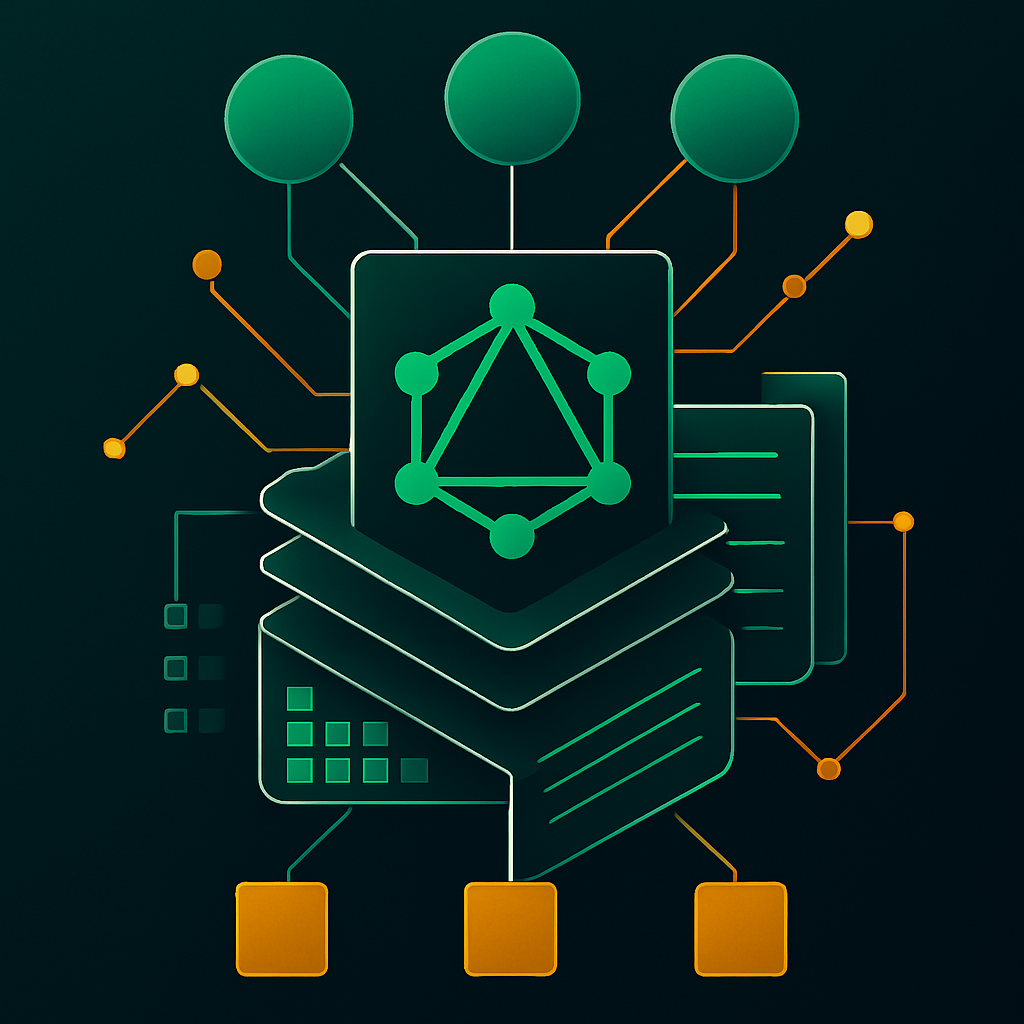
How enterprise architects are leveraging GraphQL Federation to create unified data access layers across distributed microservices, enabling AI systems to query contextual data from multiple sources with single API calls while maintaining service autonomy and reducing integration complexity.
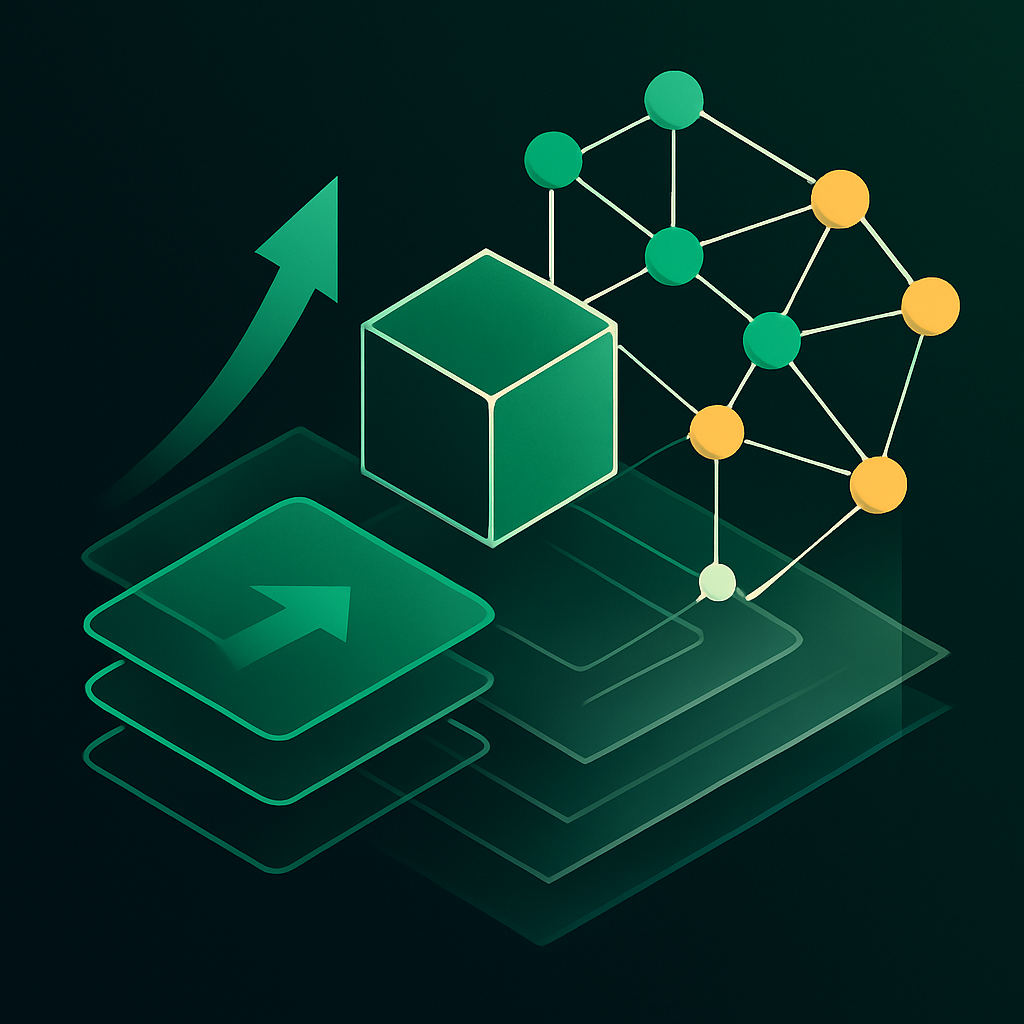
Learn how to leverage knowledge graph embeddings to enrich your enterprise context representations, enabling more accurate and informed AI decision-making.

Design and implement real-time data streaming architectures that keep AI context current with business events.

Build comprehensive data lineage tracking systems that provide auditable context provenance for AI systems in healthcare, finance, and other regulated industries. Covers technical implementation of lineage graphs, compliance automation, and real-time provenance validation.

Deep dive into implementing Change Data Capture (CDC) patterns with Debezium, AWS DMS, and Azure Data Factory to maintain fresh AI context without full ETL rebuilds. Covers conflict resolution, ordering guarantees, and handling schema drift in production RAG systems.
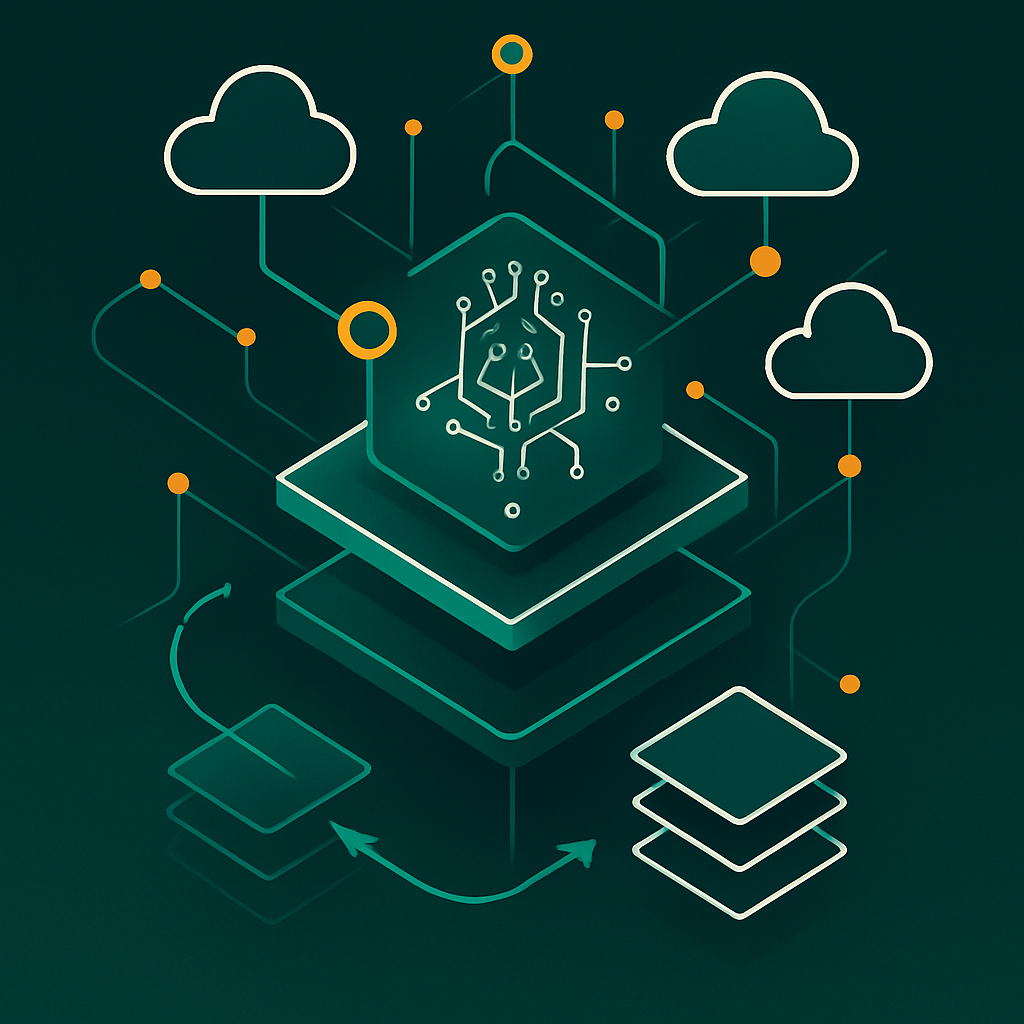
Design resilient event streaming patterns to maintain consistent AI context across AWS, Azure, and GCP environments while handling network partitions and latency variations.
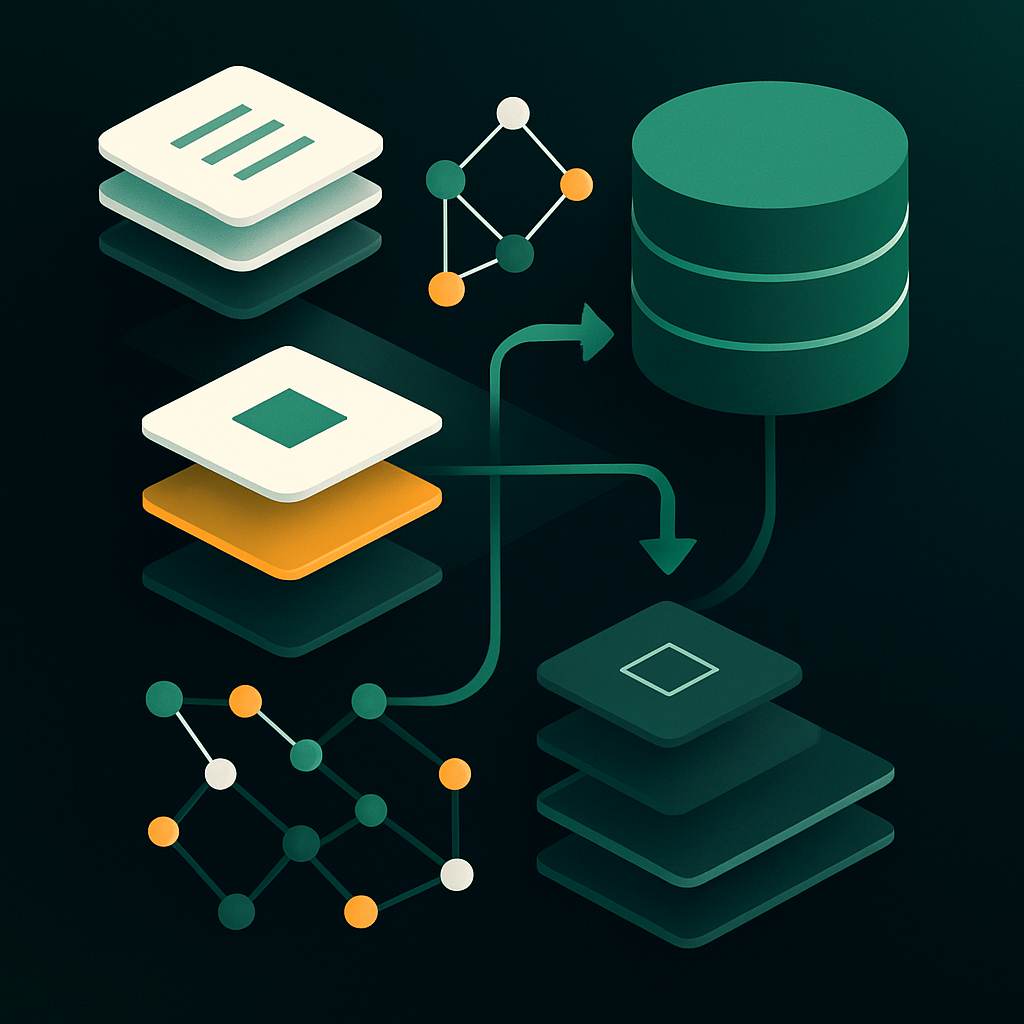
A technical deep-dive into handling schema migrations, backward compatibility, and data type evolution in live AI context pipelines without disrupting downstream ML models or breaking consumer applications.

Design patterns and implementation strategies for integrating temporal datasets, historical snapshots, and time-series data streams to create contextually-aware AI systems that understand business evolution and seasonal patterns.
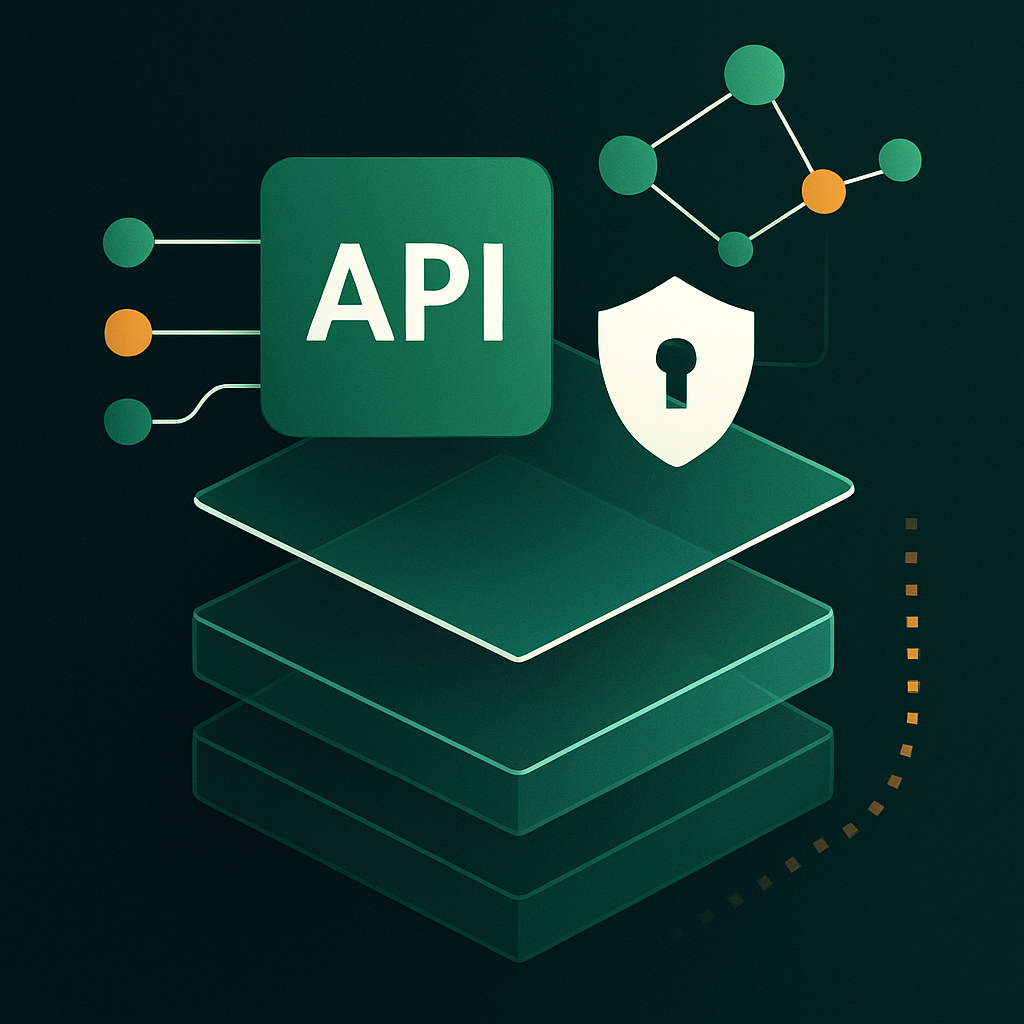
Design API-first context architectures that enable self-service access while maintaining governance and security.
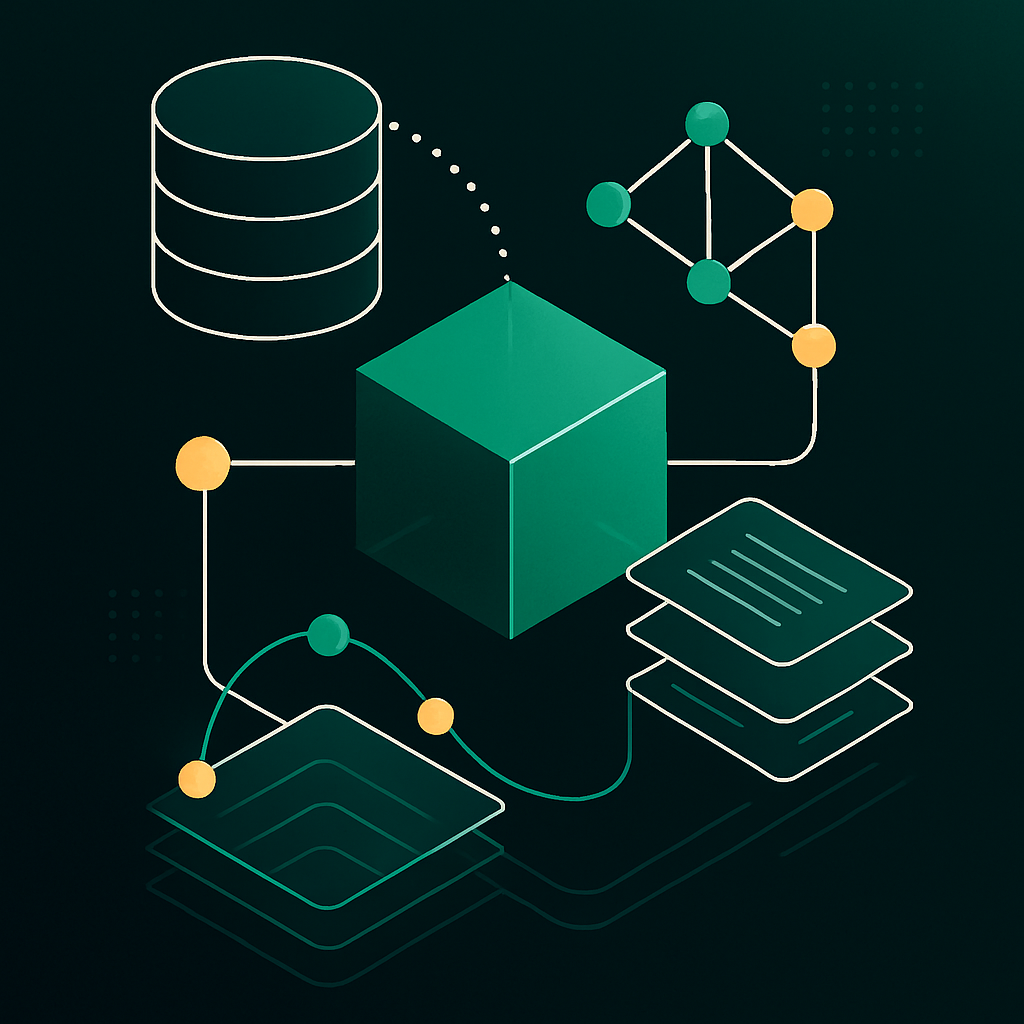
Proven patterns for extracting and synchronizing context from SAP systems to power enterprise AI applications.
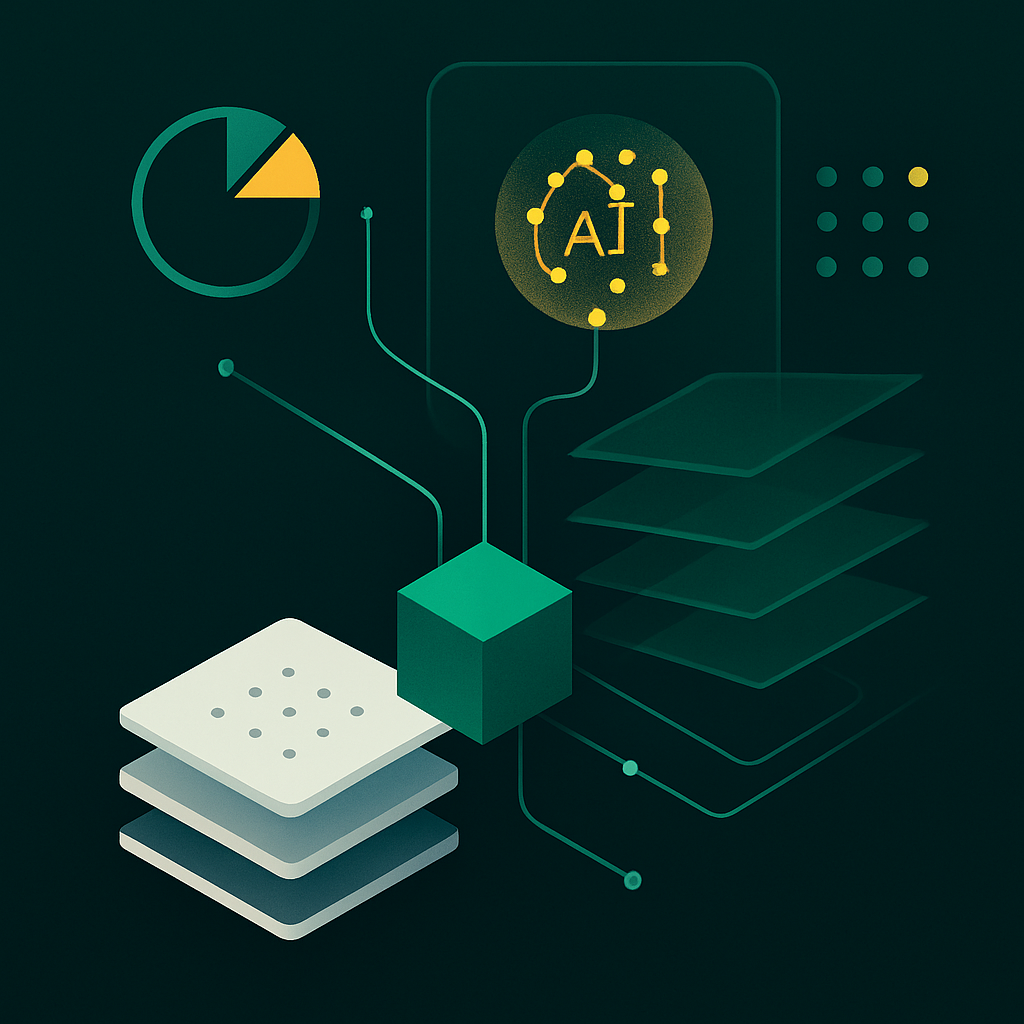
Leverage master data management practices to ensure AI systems have access to trusted, consistent context.
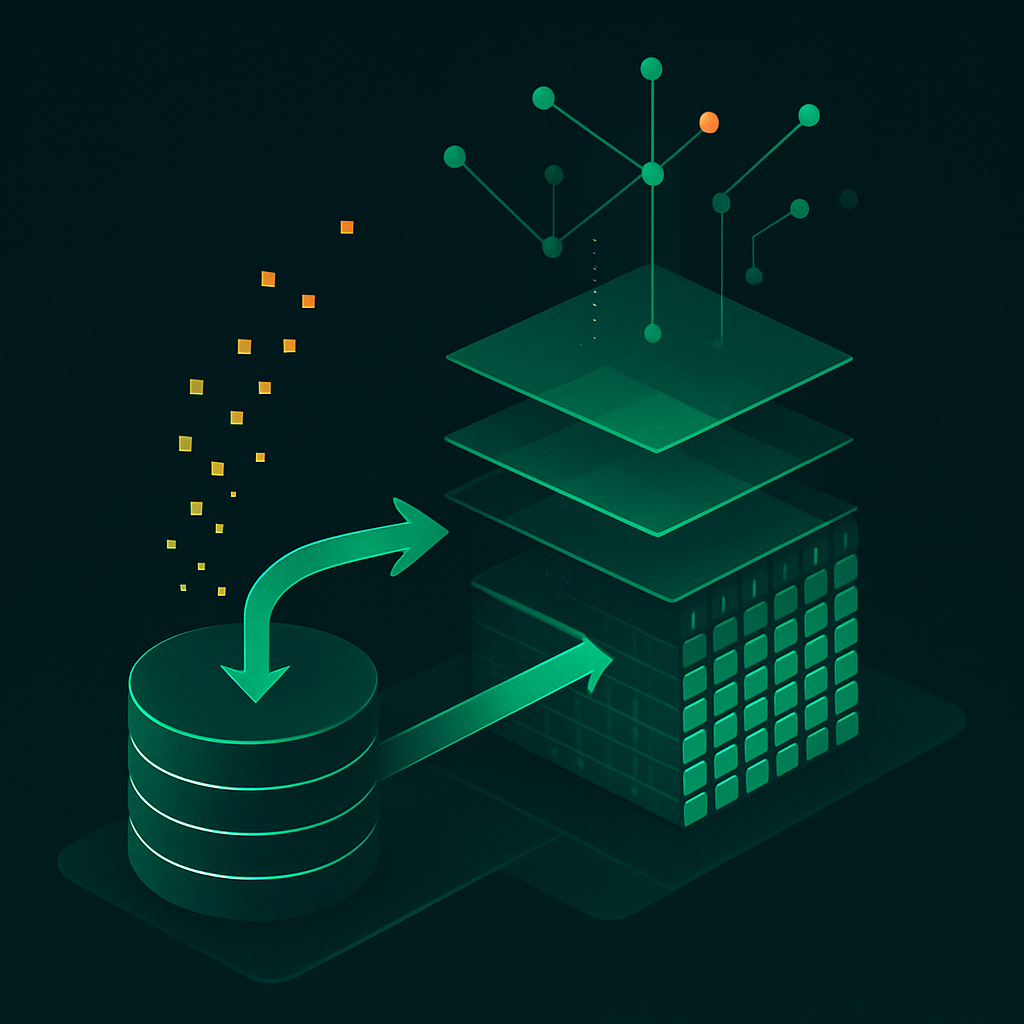
Design and implement production-grade ETL architectures that efficiently transform raw enterprise data lakes into vector-optimized AI context stores, with focus on cost optimization, incremental processing, and quality validation at petabyte scale.

Design patterns for efficiently loading and caching massive knowledge graphs on-demand, including partition pruning strategies, context locality algorithms, and memory-optimized graph traversal techniques for enterprise AI systems operating at petabyte scale.
