Introduction to AI Context in Enterprises
The integration of AI contexts into enterprise operations has become a transformational factor in boosting operational efficiency and decision-making processes. As organizations seek to pivot towards data-driven strategies, AI context adoption offers a pathway for achieving unprecedented business agility and analytics capabilities. However, effective strategic roadmapping is critical to navigate through the complexities and ensure successful integration.
The Imperative of AI Context for Modern Enterprises
In the contemporary business landscape, characterized by rapid change and intensified competition, leveraging AI contexts is no longer optional but essential for enterprises looking to maintain a competitive edge. AI contexts enable an organization to process vast quantities of data, offering personalized insights and automating complex decision-making processes that would traditionally require significant human intervention. For instance, companies utilizing AI-driven predictive analytics have reported improvements in forecasting accuracy by up to 50%, which directly translates into reduced inventory costs and enhanced supply chain resilience.
Enterprises that have effectively implemented AI contexts into their operations report substantial gains. A McKinsey Global Institute report indicates that organizations embedding AI throughout their operations are 3.5 times more likely to reach top-quartile financial performance compared to their peers. This performance boost is a direct result of AI's capability to amplify data interpretation and uncover nuanced patterns that inform strategic decisions.
Navigating the Complexity of AI Context Adoption
Implementing AI contexts requires a nuanced approach that considers technological, organizational, and cultural dimensions. One primary challenge is the integration of AI technologies into legacy systems, which often lack the flexibility to support modern innovations without significant modifications. Gartner's research suggests that over 60% of AI projects stall at the proof-of-concept stage due to integration challenges, underlining the importance of a robust strategic roadmap that includes clear integration pathways and timelines.
Cultural alignment is equally crucial, as the introduction of AI technologies can lead to behavioral shifts within the organization. Resistance to change from employees is a common hurdle, necessitating proactive change management strategies that emphasize training and development. Leaders must foster a culture of openness and continuous learning, where employees are encouraged to engage with new technologies and see them as enablers rather than disruptors.
Embedding AI Contexts into Enterprise Strategies
For a successful adoption of AI contexts, enterprises must align their strategic objectives with technological capabilities. This includes identifying key areas where AI can provide the most value, such as customer service optimization, process automation, and enhanced business intelligence. According to Deloitte, firms that align their AI strategies with business goals are twice as likely to see higher returns on investments.
Strategic roadmapping should also involve the identification and evaluation of technological tools that best fit the organization’s needs. Engaging with external experts and consultants can provide insights into best practices and emerging trends, ensuring that enterprises are well-equipped to harness the full potential of AI contexts.
Visualizing the Road Ahead
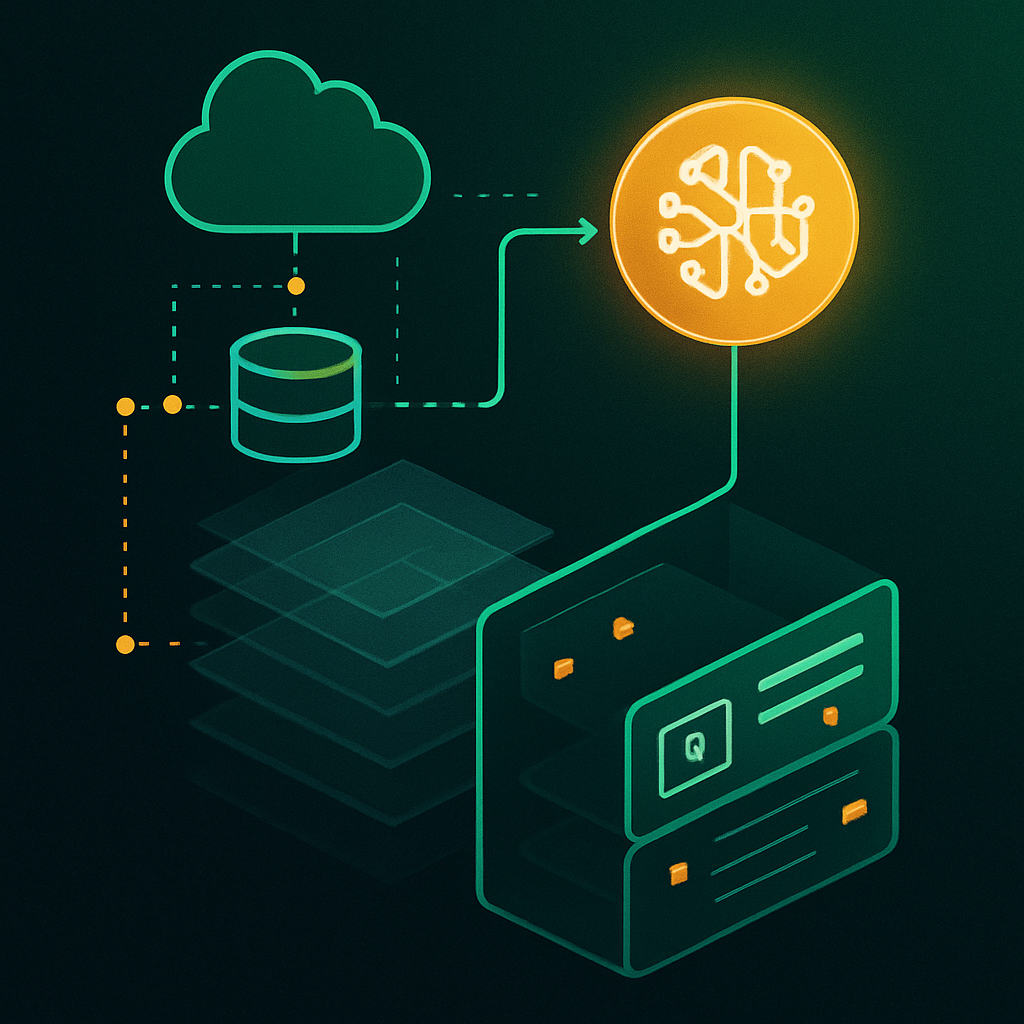
By laying a clear strategic roadmap, enterprises can navigate the complexities of AI context adoption effectively. This roadmap not only delineates the steps necessary but also provides a visual representation to keep stakeholders aligned and committed to the journey. AI contexts are a catalyst for innovation, and with careful planning and execution, they can drive transformative change across enterprise operations.
```htmlUnderstanding AI Context Adoption
AI context refers to the dynamic contextual information that AI models use to make informed decisions. This includes real-time data inputs, historical data patterns, and the situational environment the AI operates in. Enterprises must understand how context enhances AI models, allowing for more tailored and accurate outcomes. The critical aspects involved in AI context are retrieval, interpretation, and application of this rich contextual data within business frameworks.
Role of MCP in AI Contextualization
The Model Context Protocol (MCP) serves as a standard for managing and operationalizing AI contexts within models. By establishing a common framework, MCP ensures models are consistently supplied with relevant and timely data, facilitating seamless integration and minimizing the risk of context misinterpretation.
Benefits of AI Contextualization
Incorporating context through MCP can markedly improve AI model performance across various dimensions. One significant benefit is enhanced decision-making accuracy, where the AI can make more informed and nuanced decisions based on a comprehensive understanding of situational variables. For example, in customer service, an AI equipped with contextual understanding can not only troubleshoot issues more effectively but also predict future service needs, leading to improved customer satisfaction metrics.
Moreover, the use of context allows for more sophisticated personalization strategies. Enterprises deploying context-aware AI can tailor product recommendations, marketing communications, and overall customer interactions based on current user behaviors and historical interactions. This granular level of customization has been shown to increase conversion rates by up to 20% in sectors like e-commerce and digital marketing.
Implementation Challenges and Solutions
Despite its clear advantages, adopting AI context presents certain challenges. A primary concern is the seamless integration of MCP with existing enterprise systems. Ensuring that various data sources align with the MCP framework requires a rigorous alignment strategy where data governance policies must be meticulously designed to prevent inconsistencies and silos.
To address these challenges, enterprises should focus on robust data pipeline architecture. Ensuring high-quality, clean, and consistent data helps maintain context integrity, allowing AI models to function optimally. Additionally, engaging with cross-functional teams and providing continuous training on MCP standards can alleviate integration burdens.
Strategic Recommendations
- Invest in Data Infrastructure: Prioritize building a scalable, flexible data infrastructure to support continuous context feeds into AI systems. This may involve leveraging cloud solutions and advanced data lakes to accommodate complex data ecosystems.
- Establish Clear Governance Protocols: Develop and implement data governance frameworks that align with MCP standards to unify data practices across the organization. This includes setting compliance checks against data quality benchmarks to ensure accuracy and reliability.
- Continuous Monitoring and Feedback Loops: Implement robust monitoring tools to track AI performance relative to contextual adaptations. Establish feedback loops to enable iterative adjustments and ensure the AI models remain contextually relevant over time.
- Stakeholder Engagement and Training: Facilitate ongoing training and engagement initiatives for stakeholders to foster a deep understanding of the MCP and its critical role in AI strategy. Encourage cross-departmental collaboration to reduce resistance and enhance adoption.
Strategic Roadmapping for AI Context
1. Developing a Comprehensive Strategy
Crafting a strategic roadmap for AI context requires a thorough understanding of both technological capabilities and business objectives. Enterprises should start by identifying key areas where AI context can drive the most value, such as customer service, supply chain optimization, and risk management. A strategic plan should outline the necessary resources, timelines, and potential barriers to entry.
2. Change Management
Successful AI context integration hinges on the organization's ability to adapt to change. This entails aligning stakeholders across departments, fostering a culture of innovation, and providing adequate training for employees. A structured change management process can mitigate resistance and ensure that all team members understand the benefits and applications of AI context.
3. ROI Analysis
Evaluating the return on investment (ROI) for AI context initiatives is crucial. Enterprises should employ a mix of qualitative and quantitative metrics to measure success, including improved decision-making speed, increased operational efficiency, and customer satisfaction. Consider scenario planning and sensitivity analysis as tools to estimate potential ROI under different circumstances.
4. Vendor Evaluation
Selecting the right vendor plays a pivotal role in implementing AI context solutions effectively. Criteria for vendor evaluation should include the technological robustness of solutions, scalability, support services, and integration capabilities with existing systems. Vendors with proven track records in industries similar to your own should be given precedence.
Governance and Compliance
The governance of AI contexts should be built around ensuring data security, adherence to regulations, and ethical use. Compliance with standards such as GDPR, HIPAA, and industry-specific regulations is non-negotiable. Establishing an oversight committee and regular audits will foster trust and ensure the organization remains accountable.
Regulatory Compliance Framework
To ensure compliance with regulations, enterprises should establish a regulatory compliance framework that outlines the guidelines and procedures for AI context adoption. This framework should include data protection policies, such as data minimization, data quality, and data subject access rights, to ensure that Personally Identifiable Information (PII) is handled in accordance with regulations like GDPR and HIPAA. Additionally, the framework should define procedures for Change Data Capture (CDC) and Extract, Transform, Load (ETL) processes to ensure that data is handled and processed in a compliant manner.
AI Context Governance Structure
A well-defined governance structure is essential for ensuring that AI contexts are used responsibly and in compliance with regulations. This structure should include an Oversight Committee that is responsible for monitoring AI context adoption, ensuring compliance with regulations, and addressing any concerns or risks associated with AI context use. The committee should comprise representatives from various stakeholders, including data owners, compliance officers, and IT leaders. Regular audits and risk assessments should be conducted to identify potential risks and ensure that the organization remains accountable for its AI context adoption.
Vendor Evaluation and Management
When evaluating vendors for AI context solutions, enterprises should consider their compliance with relevant regulations and standards, such as SOC 2 and NIST. Vendors should be able to demonstrate their ability to protect sensitive data, ensure data subject access rights, and comply with industry-specific regulations. Enterprises should also establish a vendor management program to monitor vendor performance, ensure compliance with contractual obligations, and address any concerns or issues that may arise.
- Conduct thorough risk assessments and due diligence on vendors
- Establish clear contractual obligations and service level agreements (SLAs)
- Monitor vendor performance and compliance with regulations
- Address any concerns or issues that may arise during the vendor relationship
By establishing a robust governance and compliance framework, enterprises can ensure that their AI context adoption is secure, compliant, and aligned with their business objectives. This framework should be regularly reviewed and updated to reflect changes in regulations, industry standards, and emerging best practices in AI context governance and compliance.
Business Value of AI Context
The implementation of AI contexts can lead to substantial business value, transforming how data is leveraged across operations. Real-time insights, predictive analytics, and contextualized customer interactions are just a few of the areas where AI context delivers competitive advantages. Additionally, AI-enabled decision-making can lead to cost reductions and enhanced resource allocation.
Key Areas of Business Impact
Enterprises that successfully adopt AI context can experience significant benefits across multiple domains. These include:
- Improved Customer Experience: By leveraging AI context, businesses can offer personalized services, enhance customer engagement, and increase loyalty. For instance, a company like Netflix uses AI-driven context to provide users with tailored content recommendations, resulting in increased user engagement and retention.
- Enhanced Operational Efficiency: AI context enables real-time monitoring and optimization of business processes, leading to reduced costs, improved productivity, and enhanced resource allocation. A study by NIST found that companies that adopted AI-driven process optimization saw an average reduction of 20% in operational costs.
- Data-Driven Decision Making: AI context provides organizations with actionable insights, enabling data-driven decision-making and strategic planning. This can lead to improved forecasting, reduced risk, and increased competitiveness. According to a report by OWASP, companies that adopt AI-driven decision-making experience a 15% increase in revenue and a 10% reduction in costs.
Measuring the ROI of AI Context
To assess the business value of AI context, enterprises must develop a comprehensive ROI analysis framework. This involves:
- Identifying key performance indicators (KPIs) and metrics for measuring AI context adoption, such as user engagement, process efficiency, and decision-making accuracy.
- Establishing a baseline for comparison, using metrics like PII data quality and GDPR compliance.
- Conducting regular assessments and evaluations to measure the impact of AI context on business operations and revenue growth.
A well-structured ROI analysis can help enterprises demonstrate the value of AI context to stakeholders, ensuring continued investment and support for AI context initiatives. As ECM emphasizes, a robust ROI framework is essential for justifying the adoption of AI context and measuring its long-term business value.
By understanding the business value of AI context and developing a comprehensive ROI analysis framework, enterprises can unlock the full potential of AI context and drive long-term growth and competitiveness. As the use of LLM and RAG continues to evolve, the importance of AI context will only continue to grow, making it essential for businesses to invest in AI context adoption and development.
Conclusion
Adopting AI contexts in enterprise strategies offers vast opportunities for innovation and improved performance. By following strategic roadmapping that emphasizes governance, compliance, and measurable outcomes, organizations can navigate the complexities and realize substantial returns on their investments. With the right approach, AI contexts become a catalyst for creating value across the enterprise, driving sustainable growth and market leadership.
Key Takeaways for Enterprise Leaders
As organizations embark on their AI context adoption journey, it is crucial to remember that a successful strategy involves a multifaceted approach. This includes developing a comprehensive understanding of Model Context Protocol (MCP) and its role in standardizing AI context exchange, leveraging Large Language Model (LLM) capabilities for enhanced contextual understanding, and ensuring adherence to regulatory frameworks such as General Data Protection Regulation (GDPR) and Health Insurance Portability and Accountability Act (HIPAA).
Moreover, the integration of AI contexts with existing data architectures, including the implementation of Extract, Transform, Load (ETL) or Extract, Load, Transform (ELT) processes, and the utilization of Change Data Capture (CDC) for real-time data updates, are critical for maximizing the value of AI-driven insights. The Application Programming Interface (API) and gRPC Remote Procedure Call play a significant role in facilitating seamless interactions between different components of the AI context ecosystem.
Future of AI Context Adoption
The future of AI context adoption in enterprises is promising, with potential applications in enhanced customer experience, operational efficiency, and strategic decision-making. As technology advances, we can expect to see more sophisticated Retrieval-Augmented Generation (RAG) models and wider adoption of Enterprise Context Management (ECM) solutions. The role of Identity and Access Management (IAM) and Single Sign-On (SSO) will become increasingly important in securing AI context environments and ensuring compliance with regulatory requirements.
To stay ahead of the curve, organizations should prioritize investments in Software Development Kit (SDK) and Key Management Service (KMS) to support the development of custom AI context applications and the management of encryption keys. Furthermore, adopting a Service Organization Control 2 (SOC 2) framework can help demonstrate the integrity and security of AI context systems, enhancing trust among stakeholders.
Call to Action
Enterprise leaders must recognize the potential of AI contexts to revolutionize their operations and strategic decision-making processes. By embracing a strategic roadmapping approach, organizations can unlock the full potential of AI contexts, drive innovation, and achieve sustainable growth. It is essential to start this journey now, as the landscape of AI context adoption continues to evolve rapidly. The time to act is upon us, and those who seized this opportunity will undoubtedly be at the forefront of the next wave of enterprise transformation.
- Develop a comprehensive strategy for AI context adoption, incorporating LLM and MCP standards.
- Ensure robust governance and compliance frameworks are in place, adhering to regulations such as GDPR and HIPAA.
- Invest in SDK and KMS to support custom application development and key management.
- Prioritize ECM solutions and RAG models for enhanced contextual understanding and insights.
- Adopt a SOC 2 framework to demonstrate the integrity and security of AI context systems.
By taking these steps, organizations will be well-positioned to harness the power of AI contexts, drive business value, and maintain a competitive edge in an increasingly complex and interconnected world.