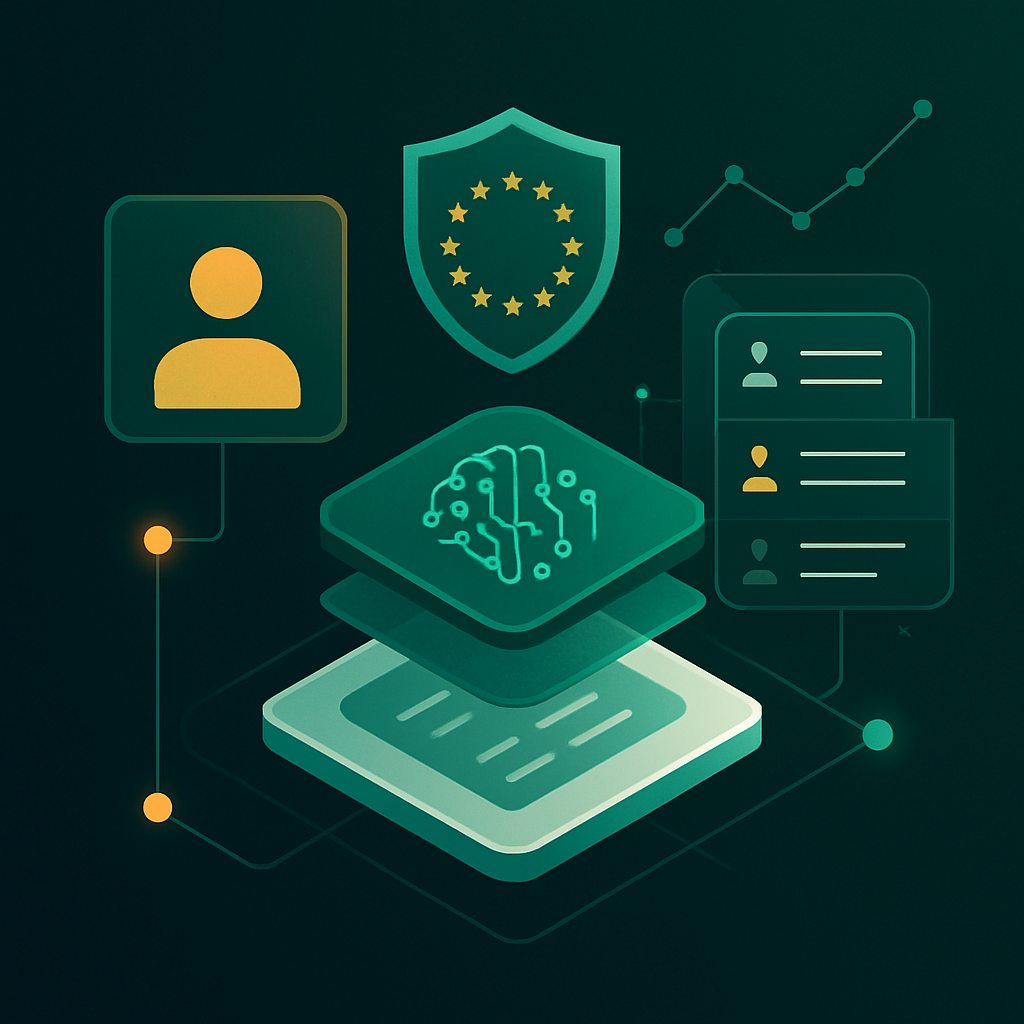
Introduction to HIPAA Compliance in AI Context Platforms
As the healthcare industry increasingly leverages AI technologies, especially those involving context-aware platforms, ensuring compliance with regulations such as the Health Insurance Portability and Accountability Act (HIPAA) becomes paramount. AI context platforms offer significant potential to enhance patient care through predictive analytics and personalized treatment. However, the sensitive nature of healthcare data demands robust compliance strategies to maintain the confidentiality, integrity, and availability of such data.
This article explores strategic approaches for healthcare enterprises to implement HIPAA-compliant AI context platforms by focusing on privacy governance models, risk assessment processes, and vendor management strategies critical for compliance.
Understanding HIPAA's Impact on AI Context Platforms
HIPAA sets national standards for the protection of health information. For AI context platforms, this translates into adhering to stringent privacy and security measures. Protected Health Information (PHI) must be carefully handled, ensuring that any processing, storage, or transmission aligns with HIPAA regulations.
Key HIPAA Compliance Requirements
- Privacy Rule: Establishes standards for the protection of individually identifiable health information.
- Security Rule: Specifies a series of administrative, physical, and technical safeguards that organizations must implement to ensure the confidentiality, integrity, and availability of electronic protected health information (ePHI).
- Breach Notification Rule: Requires covered entities to notify affected individuals, the federal government, and, in some cases, the media following a breach of unsecured PHI.
Privacy Governance Models
A robust privacy governance framework is essential to facilitate HIPAA-compliant operations over AI context platforms. This involves establishing clear policies and procedures, assigning privacy responsibilities, and continuously monitoring compliance efforts.
Components of Effective Privacy Governance
- Policy Development: Clearly defined policies address how PHI is collected, used, and shared across AI platforms.
- Training and Awareness: Regular training sessions ensure that employees understand HIPAA regulations and are aware of compliance procedures.
- Monitoring and Auditing: Regular audits identify compliance gaps and allow for corrective measures to be implemented promptly.
Risk Assessment and Management
Risk assessment is a crucial element of HIPAA compliance, especially in the context of AI platforms where complex data interactions occur. Identifying potential vulnerabilities helps in developing a strong risk management strategy to mitigate risks effectively.
Performing Comprehensive Risk Assessments
Healthcare organizations should conduct thorough risk assessments that cover all aspects of AI context platforms. This involves:
- Data Flow Analysis: Mapping out how data moves within the platform to identify points of vulnerability.
- Threat Identification: Evaluating potential internal and external threats to data security.
- Impact Analysis: Assessing the potential impact of data breaches on patient privacy and organizational operations.
Risk Mitigation Strategies
- Encryption: Implementing strong encryption mechanisms for data in transit and at rest.
- Access Controls: Utilizing conditional access policies to limit data access to authorized personnel only.
- Incident Response Planning: Developing a detailed incident response plan to address potential data breaches efficiently.
Vendor Management and Third-Party Compliance
With AI platforms often requiring collaboration with third-party vendors, ensuring these partners comply with HIPAA is critical. This includes conducting due diligence to assess vendors' capabilities and compliance status. The challenges in maintaining compliance across the AI landscape are amplified when involving vendors who may possess different levels of understanding or commitment to HIPAA. This necessitates a robust vendor management framework that not only addresses compliance but also integrates seamlessly into the overall governance strategy of the enterprise.
Best Practices for Vendor Compliance
Effective vendor management strategy necessitates structured practices that align third-party services with HIPAA compliance mandates. Below are key best practices for achieving robust vendor compliance:
Conducting Thorough Vendor Due Diligence
- Pre-Engagement Evaluation: Before engaging a vendor, healthcare enterprises should perform an exhaustive due diligence process. This includes verifying a vendor's credentials, history of compliance, and understanding of HIPAA requirements.
- Risk Profiling: Develop a risk profile for each vendor based on the type of data they handle, their access levels, and the potential impact on PHI (Protected Health Information) security. This risk-based approach should guide the depth and frequency of compliance checks.
Implementing Structured Contractual Safeguards
- Detailed Business Associate Agreements (BAAs): Craft BAAs that clearly define the scope of HIPAA responsibilities for vendors. These contracts must include clauses that enforce compliance, specify data handling and protection measures, and delineate breach notification protocols.
- Enforceable Penalties: Include penalties for non-compliance or breaches within contracts. Enforceability is crucial in ensuring that third parties take their compliance obligations seriously.
Rigorous Audit and Monitoring Processes
- Scheduled Compliance Audits: Regular audits, conducted either in-house or by third-party assessors, are essential for verifying ongoing compliance. These audits should evaluate both operational practices and technical safeguards.
- Continuous Monitoring Mechanisms: Employ continuous monitoring tools that alert enterprises to unauthorized access, unusual activity, or potential compliance breaches in real-time.
Certifications and Training
- Mandatory Certifications: Insist that vendors obtain relevant certifications such as SOC 2 to validate their data management practices align with industry standards. These certifications are indicative of a vendor’s commitment to maintaining a high level of data protection and processes.
- Regular Training Sessions: Facilitate regular training sessions focusing on HIPAA compliance for vendor staff, ensuring they are equipped with the latest knowledge and practices to safeguard PHI.
Ultimately, a proactive and structured approach to vendor management not only mitigates potential risks but also enhances a healthcare organization’s overall compliance posture. Engaging vendors as partners in compliance through transparent communication and collaboration can transform third-party risks into strategic advantages, facilitating innovation while maintaining stringent privacy and security standards.
Driving Organizational Adoption of HIPAA-Compliant AI Platforms
For effective adoption of HIPAA-compliant AI context platforms, enterprises must foster a culture of compliance across all levels of the organization. This involves integrating compliance into the organization's core strategies and operations. Beyond the surface-level commitment, sustaining HIPAA compliance requires embedding regulatory adherence into the fabric of daily practices and decision-making processes.
Strategies for Organizational Adoption
- Leadership Commitment: Leadership must visibly support compliance initiatives, setting the tone for organizational culture. C-suite executives and board members should actively participate in HIPAA compliance education sessions, reinforcing the importance of data privacy and security. Leadership can also establish strategic objectives tied to compliance, creating a top-down ripple effect that prioritizes HIPAA adherence in business goals. By leveraging executive dashboards, leadership can receive real-time insights into compliance metrics, facilitating informed decision-making and swift action in areas needing improvement.
- Cross-Departmental Collaboration: Encourage collaboration between IT, legal, compliance, and operational teams to ensure a holistic approach to compliance. Establishing interdepartmental committees dedicated to compliance initiatives can provide a multi-faceted perspective on potential vulnerabilities and innovative compliance solutions. Regularly scheduled compliance summits or forums can urge departments to share updates, brainstorm on emerging challenges, and align on shared compliance milestones.
- Continuous Improvement: Establish mechanisms for continuous monitoring and improvement of compliance processes. Implementing an agile approach to policy reviews and compliance audits can help organizations quickly adapt to regulatory changes and emerging threats. Consider deploying advanced analytics tools that track compliance KPIs (Key Performance Indicators) and generate predictive insights on compliance trends. Furthermore, fostering a feedback-rich environment where employees can report issues or suggest improvements without fear of retaliation encourages continual enhancement of compliance mechanisms.
Enhancing Organizational Alignment
An aligned organization is pivotal to seamless HIPAA-compliant AI platform adoption. Organizations can utilize change management frameworks like ADKAR (Awareness, Desire, Knowledge, Ability, Reinforcement) to craft transition strategies that resonate across business units. This alignment helps manage resistance, builds awareness about the benefits of compliance, and underscores individual roles in the compliance journey. Through targeted training programs that contextualize HIPAA regulations specific to each role or department, organizations can ensure their staff possess the necessary knowledge and abilities to maintain compliance.
Leveraging Technological Tools
The automation of compliance tasks through software platforms can unburden teams from manual checks and enhance accuracy. Software tools can automate routine monitoring, streamlining audit trails, and facilitating documentation for compliances. Furthermore, AI-driven analytics engines can spot compliance anomalies promptly, allowing for proactive adjustments. To maintain the robustness of these tools, involving teams in regular technology audits ensures the platforms remain fine-tuned to the latest regulatory standards.
Effective Communication and Training
Consistent and engaging communication campaigns help sustain organizational commitment to HIPAA-compliant practices. Tailored communications that highlight specific productivity gains, risk mitigations, or compliance achievements can galvanize teams, aligning them toward shared objectives. Furthermore, investing in continuous training programs emphasizes the evolving nature of compliance and equips employees with current best practices.
These combined approaches lay the groundwork for seamless adoption of HIPAA-compliant AI context platforms, positioning healthcare enterprises to leverage advanced technology securely while maintaining robust privacy safeguards.
Conclusion: The Path Forward
Implementing HIPAA-compliant AI context platforms is a complex undertaking that requires strategic planning, rigorous governance, and continuous monitoring. By prioritizing privacy governance models, robust risk management processes, and effective vendor management, healthcare enterprises can leverage the full potential of AI technologies while remaining compliant with HIPAA. This not only ensures the protection of sensitive patient data but also enhances trust and drives innovation in healthcare.
Strategic Planning for Compliance and Innovation
Healthcare enterprises must begin with a clearly defined strategy that aligns their AI initiatives with HIPAA compliance requirements. This involves setting clear goals, such as enhancing patient care efficiencies or predicting health trends, and ensuring these objectives do not conflict with privacy mandates. Leadership teams must foster a culture where compliance is seen as a strategic enabler rather than a barrier. By incorporating compliance into the core mission, healthcare organizations can innovate while safeguarding patient data.
Continuous Monitoring and Improvement
To maintain HIPAA compliance, continuous monitoring of AI systems is essential. This includes regular audits and assessments to evaluate data processes and identify areas for improvement. Enterprises should employ automated tools that alert stakeholders to potential breaches or compliance gaps in real-time, enabling swift corrective actions. Additionally, adopting a continuous learning approach, where feedback from monitoring activities is used to update compliance practices, can significantly enhance overall security posture.
Fostering a Culture of Trust
Building trust among patients and stakeholders is crucial for the successful adoption of AI context platforms. Transparency in AI operations, particularly in how patient data is used and protected, must be a top priority. Healthcare providers should implement clear communication strategies to educate patients about data privacy measures and how their information contributes to advancing medical research and improving care quality. Demonstrating a commitment to ethical AI practices can strengthen relationships and enhance the overall perception of the organization.
Leveraging Technology for Competitive Advantage
When effectively managed, HIPAA compliance not only protects sensitive data but also serves as a competitive advantage. By utilizing advanced technologies such as secure data lakes and anonymization techniques, enterprises can enable innovative data uses that comply with regulatory requirements. Implementing AI-driven insights can lead to improved patient outcomes, cost savings, and operational efficiencies, all while ensuring compliance. This balanced approach allows healthcare providers to position themselves as industry leaders in both innovation and compliance.
Key Recommendations for Moving Forward
- Develop a Multi-Disciplinary Compliance Committee: Establish a dedicated team consisting of legal, IT, and healthcare professionals to oversee compliance initiatives.
- Implement Advanced Encryption Standards: Utilize state-of-the-art encryption methods for data in transit and at rest to minimize breach risks.
- Invest in Employee Training: Continuous education on data privacy and security protocols should be mandatory to ensure all staff are aware of their roles in compliance.
- Engage in Collaborations: Partner with technology vendors and industry peers to share best practices and stay informed about emerging compliance challenges and solutions.
By adhering to these recommendations, healthcare enterprises can effectively navigate the complexities of HIPAA compliance in AI context platforms. This not only mitigates risk but also drives organizational growth and innovation in delivering superior healthcare solutions.