Introduction
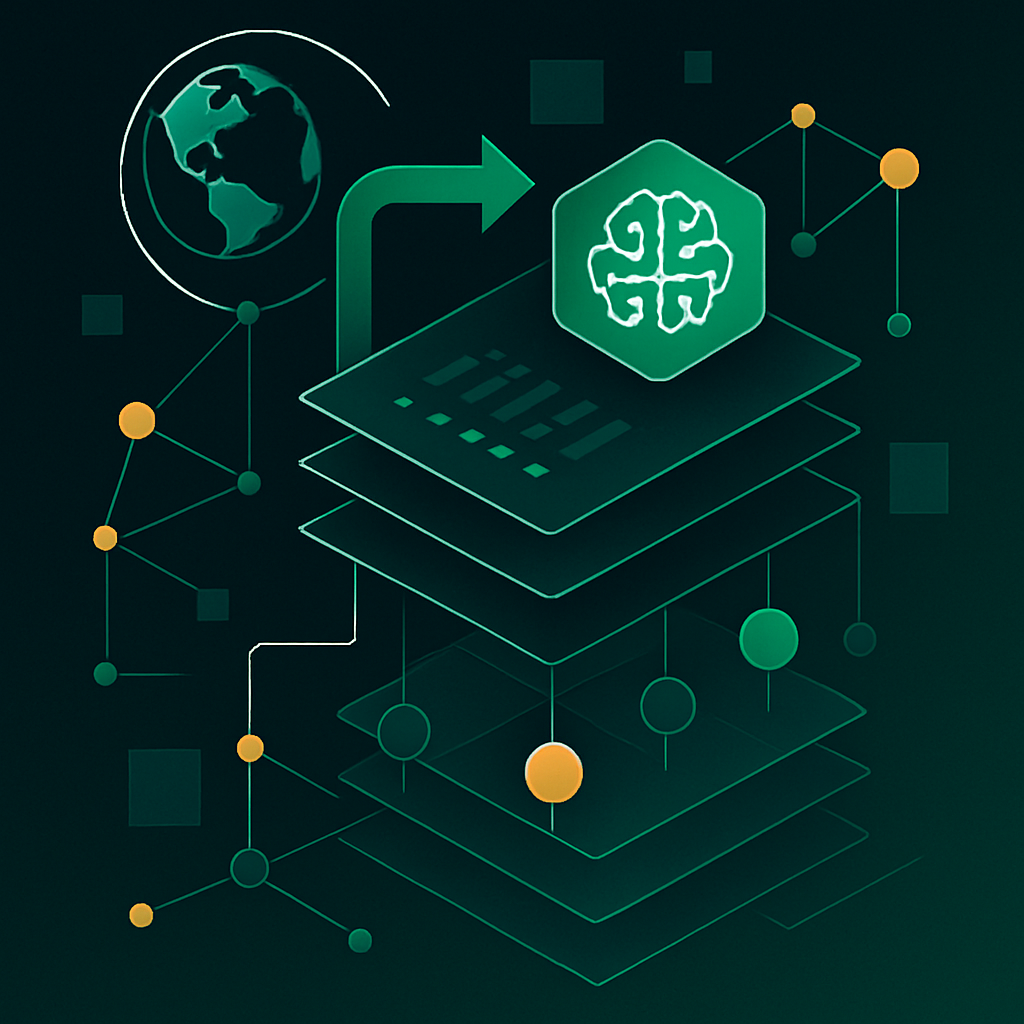
The modern enterprise is increasingly dependent on hybrid cloud deployments to manage complex data architectures and AI-powered applications. As organizations strive to maximize performance while maintaining robust security, strategic context architecture becomes an essential component. This article explores how to design and implement a scalable context architecture that seamlessly integrates with hybrid cloud environments, ensuring optimal performance and adherence to compliance requirements.
The Rise of Hybrid Cloud Architectures
Hybrid cloud architectures have emerged as a compelling model due to their ability to offer the best of both worlds: the scalability and innovation of public cloud solutions combined with the control and security often associated with private infrastructures. A report by RightScale (now Flexera) highlights that 92% of enterprises have a multicloud strategy, reflecting the increasing trend toward leveraging both public and private cloud solutions.
This architecture enables organizations to dynamically scale workloads, deploy AI models, and manage sensitive data with greater flexibility. As such, hybrid cloud strategies are particularly attractive for industries with fluctuating demand and stringent compliance requirements, such as financial services and healthcare.
Strategic Context Architecture: More Than Just Integration
While the integration between different cloud environments is crucial, strategic context architecture extends beyond mere connectivity. It involves the deliberate design of information flows that prioritize data sovereignty, security, and performance across diverse IT landscapes. By employing context architecture, organizations can ensure that data is accessible yet secure, leveraging tools like MCP and ECM, which are pivotal in bridging data silos within varied cloud settings.
Addressing Compliance Requirements
With regulations such as GDPR and HIPAA placing heavy emphasis on data protection and privacy, strategic context architecture must account for compliance from the inception of design. This involves incorporating robust encryption standards, adopting IAM practices for careful control, and utilizing DLP tools to mitigate risks of data breaches. For instance, the Office for National Statistics (UK) reportedly cut its data processing time by 50% while ensuring compliance, through a carefully designed hybrid architecture.
Furthermore, by leveraging advanced security frameworks such as Zero Trust, organizations can fortify their hybrid environments against external threats. This approach ensures continuous verification of all access attempts, significantly lowering vulnerability to breaches.
Leveraging AI-Powered Insights
AI can play a transformative role in enhancing strategic context architecture by delivering predictive insights and automating routine processes. An effective information ecosystem within hybrid clouds leverages RAG models to retrieve and process data in real time. This capability enables predictive analytics that inform decision-making processes, ensuring that organizations can respond to external changes or threats swiftly and effectively. For instance, by using AI models, logistics companies can dynamically adjust their operations based on real-time demand forecasts, thereby optimizing resource allocation and reducing operational costs.
Driving Business Value Through Context Architecture
Ultimately, the goal of implementing a robust context architecture is to drive business value. By streamlining access to critical data, organizations can improve their agility, foster collaboration across departments, and innovate faster. For example, the introduction of a well-structured context architecture can shorten product development cycles by 30% or more, as teams spend less time navigating data silos and more time focusing on strategic initiatives.
In summary, as enterprises increasingly embrace hybrid cloud environments, strategic context architecture becomes essential to not only meet the technological and security demands but also to drive competitive advantage and business growth. This approach facilitates seamless integration, supports complex data interactions, and ensures compliance, making it a core aspect of enterprise success in the digital age.
Understanding Context Architecture
Context architecture in the realm of hybrid cloud deployments refers to the structured framework that enables consistent data processing, retrieval, and management across diverse cloud and on-premise resources. A well-defined context architecture facilitates decision-making by providing stakeholders with timely, relevant, and accurate information, enabling them to respond swiftly to business challenges.
The Role of Model Context Protocol (MCP)
MCP is an open standard that provides a foundation for managing context across AI models in hybrid cloud environments. By enabling seamless context sharing, MCP allows for better scalability, performance, and governance of AI applications. Enterprises can leverage MCP to ensure that AI models operate under consistent contextual information, reducing the risk of data silos and enhancing collaboration across teams.
Components of Context Architecture
- Centralized Context Repository: A resilient storage mechanism that archives and serves context data for various applications, ensuring accessibility and reliability.
- Context Retrieval and Ingestion Engines: These components facilitate the extraction and loading of context data from disparate sources, supporting both ETL and ELT processes as needed.
- Identity and Access Management (IAM): Ensures secure and compliant access to context data, leveraging protocols such as SSO and IAM frameworks.
- Security and Compliance Tools: Integrating advanced security features, such as DLP and GDPR compliance modules, to protect PII and other sensitive data.
Designing for Scalability and Integration
A strategic context architecture must be designed with the flexibility to scale seamlessly across different cloud platforms, while integrating harmoniously with existing IT systems. Key considerations include:
Leveraging Cloud-Native Technologies
Adopt cloud-native technologies and services, such as serverless computing and container orchestration platforms like Kubernetes, to enhance the scalability and efficiency of context-related operations. These technologies facilitate dynamic resource allocation, reducing the overhead of managing large-scale AI applications. Additionally, serverless computing platforms, such as AWS Lambda or Azure Functions, allow organizations to execute code in response to triggers without actively managing server infrastructure. This not only reduces operational costs but also enables rapid scaling in response to fluctuating demand.
Organizations should consider implementing Infrastructure as Code (IaC) using tools like Terraform or AWS CloudFormation to automate the setup and management of cloud resources. By codifying infrastructure, teams can ensure consistency, promote automation, and accelerate deployment times. Furthermore, employing managed services for databases, AI model training, and event streaming can offload maintenance burdens and improve responsiveness to business needs.
API-Driven Ecosystems
An API-first approach ensures that applications and services can interact fluidly across hybrid cloud environments. By employing robust APIs, organizations can integrate context architecture components with external systems, streamlining workflows and enabling real-time data exchange. APIs should be well-documented, versioned, and aligned with industry standards such as REST or gRPC to ensure compatibility and ease of adoption.
Moreover, organizations should implement an API management platform, like Apigee or AWS API Gateway, to manage traffic, enforce security protocols, and provide analytics on API usage. Such platforms enable organizations to apply governance policies, monitor performance, and track usage patterns, all critical for maintaining robust integration across a scalable architecture.
Adopting an API gateway within the architecture stack also facilitates the creation of unified interfaces, which can abstract underlying complexities from end-users and simplify the integration process with third-party services. This can enable rapid innovation by allowing developers to focus on building new features rather than spending time on integration challenges.
Ensuring Seamless Integration
A critical component of scalability is the seamless integration of new solutions with existing systems. This often requires adopting middleware solutions that provide the necessary translation layers between legacy systems and modern cloud-native applications. Tools such as MuleSoft or Kafka can be instrumental in creating adaptable pipelines that support data convergence and real-time processing across disparate systems.
Implementing a robust enterprise service bus (ESB) can facilitate the interaction between cloud services and on-premises systems, enabling hybrid workflows that bridge legacy applications and new deployments. Furthermore, data integration patterns like ELT can ensure data integrity and consistency across platforms, allowing real-time analytics and insights on diverse datasets.
Consider implementing data virtualization techniques to provide a unified view of disparate data sources without necessitating data replication. This approach reduces latency and storage overhead, resulting in an agile and efficient data strategy perfectly aligned with the needs of a scalable context architecture.
Strategic Recommendations
- Establish a Culture of Automation: Encourage teams to adopt automation tools and practices across development, deployment, and operational stages to enhance agility and maintainability.
- Focus on Modular Design: Promote design principles that favor modular, reusable components, enabling easier scaling and integration with future technologies.
- Invest in Robust Monitoring Tools: Deploy comprehensive monitoring solutions, like Prometheus or Datadog, to track application performance and facilitate proactive scaling decisions.
- Foster Collaboration Across Teams: Ensure coordination between development, operations, and business units to align technology solutions with strategic business goals effectively.
Security and Governance in Hybrid Cloud Context Architecture
The integration of hybrid cloud environments introduces new security challenges that necessitate a robust governance framework. Ensuring that context architecture designs adhere to strict compliance standards, such as SOC 2 and HIPAA, is imperative for maintaining trust and protecting sensitive information. Navigating these complexities requires a nuanced understanding of both technological capabilities and regulatory requirements, translating them into organizational policies and controls.
Developing a Robust Governance Framework
In hybrid cloud contexts, a comprehensive governance framework should encompass risk management, policies, and procedures to address data security and privacy. Key considerations include:
- Policy Formulation: Establish clear guidelines detailing how data is controlled, processed, and accessed within hybrid environments. These should reflect both organizational goals and industry compliance mandates, ensuring consistent data protection.
- Risk Assessment: Regularly conduct thorough risk assessments to identify and mitigate potential vulnerabilities in the hybrid architecture, especially in relation to context-sensitive data.
- Compliance Monitoring: Utilize automated tools to continuously monitor compliance, automatically generating audit trails for regulatory bodies.
- Incident Response: Develop and regularly update incident response plans, incorporating lessons learned from past security events to improve resilience against future breaches.
Consistent alignment of these governance elements with strategic business objectives is critical to maintain protection without stifling innovation.
Implementing Zero Trust Network Architecture
Enterprises should consider adopting a Zero Trust network architecture to safeguard context architecture components. This approach assumes that threats are already within the network and focuses on verifying each request's legitimacy, using techniques such as mTLS and robust IAM policies.
Core Principles of Zero Trust
Zero Trust operates on the foundational principle of "never trust, always verify," which requires a granular approach to security:
- User Verification: Constantly authenticate and authorize every user attempting to connect to resources, ensuring they have the correct permissions.
- Device Verification: Confirm the security posture and identity of connecting devices, including up-to-date software and patches.
- Network Segmentation: Implement strong segmentation to isolate resources, reducing lateral movement of threats and containing potential breaches.
- Data Encryption: Employ mTLS for end-to-end encryption across connections, safeguarding data integrity and privacy.
Tools like micro-segmentation platforms, centralized IAM solutions, and advanced threat analytics are instrumental in achieving Zero Trust objectives.
Leveraging IAM for Enhanced Security
IAM solutions serve as a central pillar of Zero Trust architecture, helping organizations enforce user-specific access rights, automate provisioning, and manage roles dynamically:
- Role-Based Access Control (RBAC): Implement RBAC to ensure users have access only to the data and applications necessary for their roles, minimizing the attack surface.
- Automated Identity Lifecycle Management: Monitor and automate user account creation, modification, and termination, ensuring that IAM policies reflect current organizational and regulatory requirements.
- Behavior Analysis: Use machine learning to analyze user behavior patterns and promptly identify anomalies that could indicate a security breach.
By adopting comprehensive IAM practices, enterprises can significantly reduce unauthorized access risks while maintaining seamless user experiences.
By meticulously planning and implementing a Zero Trust framework, and constantly evolving governance practices, organizations can effectively mitigate risks associated with hybrid cloud deployments, safeguarding their strategic assets and maintaining regulatory compliance.
Creating Business Value with Strategic Context Architecture
Implementing a strategic context architecture in hybrid cloud deployments can yield substantial business value by enhancing agility, improving decision-making, and optimizing resource utilization. Key benefits include:
Enhanced Operational Efficiency
Strategic context architecture facilitates streamlined access to consistent context information, which dramatically improves workflow efficiencies and reduces redundancy. By leveraging standardized protocols and APIs, organizations can minimize data silos, allowing seamless data flows across various cloud platforms. For instance, by utilizing MCP, data can be consistently interpreted and applied across platforms, leading to a reduction in operational overhead and faster time-to-market for new initiatives. A study by McKinsey revealed that organizations adopting integrated context solutions reported a 20% increase in operational efficiency within the first year.
- Adopt MCP and contextual APIs to ensure uniform data processing across diverse platforms.
- Establish clear governance and data stewardship roles to maintain data quality and consistency.
Improved Customer Experience
Providing personalized, context-aware interactions enhances customer satisfaction and loyalty by tailoring responses and services to individual customer needs in real-time. Companies like Amazon and Netflix have long leveraged context data to customize their offerings, resulting in higher engagement and conversion rates. Gartner predicts that by 2025, over 85% of customer interactions will be managed without human involvement, highlighting the significance of robust context architecture in customer experience strategy.
- Implement sophisticated AI and RAG models to deliver personalized and context-rich customer interactions.
- Use real-time analytics to dynamically adjust customer engagement strategies based on contextual insights.
Data-Driven Innovation
Enriched context data accelerates AI research and development, driving innovation and competitive differentiation. By enabling more nuanced data aggregation and analysis, context architecture empowers organizations to unlock insights that were previously unattainable. This contextual understanding not only enhances machine learning models but also informs strategic decisions that can lead to pioneering innovations. For instance, IBM's AI-driven supply chain solutions utilize context-rich data to predict disruptions and optimize operations, resulting in a reported 15% increase in efficiency and a significant reduction in costs.
- Integrate advanced analytics with context datasets to facilitate deep insights and predictive capabilities.
- Foster a culture of innovation and experimentation to regularly harness AI for novel problem-solving.
Resource Optimization
Strategic context architecture optimizes resource utilization by ensuring that the right resources are allocated to the right tasks, based on comprehensive data insights. This precision enhances operational agility, allowing organizations to scale resources dynamically in response to changing demands. For example, a leading manufacturing firm reduced its IT infrastructure costs by 30% through the adoption of a dynamic, context-aware hybrid cloud strategy that optimized resource deployment based on real-time operational data.
- Leverage cloud-native tools for dynamic and scalable resource allocation aligned with contextual insights.
- Continuously monitor and analyze resource performance to refine strategy and improve ROI.
By embedding a strategic context architecture into your hybrid cloud strategy, your organization not only optimizes operational efficiencies and customer experiences but also paves the way for sustained innovation and competitive edge in the marketplace. An ongoing commitment to aligning context architecture with business goals and investments ensures its continuous contribution to organizational success.
Organizational Adoption and Change Management
Successful adoption of context architecture within an organization requires comprehensive change management strategies. Engage stakeholders across departments to foster a culture of collaboration, focusing on clear communication and aligning the context architecture's goals with business objectives. Clear communication is essential in articulating the goals of context architecture and mapping its benefits to the strategic intents of different departments. A comprehensive communication plan should outline the benefits such as improved decision-making capabilities, more efficient data integration, and enhanced compliance with regulations. Leaders must also emphasize how context architecture can streamline operations, reduce redundancy, and drive innovation.
Change Management Frameworks
Adopting a structured change management framework, such as ADKAR (Awareness, Desire, Knowledge, Ability, Reinforcement) or Kotter's 8-Step Process for Leading Change, can guide organizations in navigating the complex landscape of adoption. These frameworks emphasize the importance of building awareness across all levels of the organization, fostering the desire and knowledge for change, and reinforcing new behaviors. For instance, establishing cross-functional teams to spearhead the adoption can empower champions who actively promote context architecture and its advantages.
Stakeholder Engagement and Involvement
Securing buy-in from all levels of the organization is crucial for a seamless transition to a context architecture framework. Regular town hall meetings, workshops, and one-on-one sessions can help to address skepticism, gather feedback, and integrate suggestions from varied stakeholders. Tailoring messages to specific audiences, such as technical, operational, and executive teams, ensures that each group understands how context architecture will benefit their specific areas.
Training and Development
Invest in training programs that enhance employee understanding of context architecture principles and tools. By empowering teams with the necessary skills and knowledge, organizations can accelerate adoption and drive efficient implementation. Customizing training modules to fit the distinct workflows and requirements of various departments can optimize learning outcomes. Online courses, workshops, and hands-on labs on context architecture platforms encourage active participation and real-world application of skills.
Integrating Continuous Learning Models
Incorporating continuous learning strategies ensures that employees can keep pace with evolving technologies and methodologies in context architecture. Leveraging digital platforms for ongoing education allows for a dynamic and flexible learning environment. Mentorship programs, where early adopters guide peers in navigating new systems, help reinforce learning and solidify confidence in using context architecture tools effectively.
Monitoring and Measuring Change Management Success
Regularly monitoring the progress of change initiatives is essential to ensure that they are on track to achieve desired outcomes. Establishing key performance indicators (KPIs) like adoption rates, user engagement, and system utilization can provide quantifiable metrics to gauge success. Additionally, conducting periodic surveys to gather qualitative feedback can offer insights into employee sentiment and areas for improvement. Continuous feedback loops allow organizations to make timely adjustments to strategies, thereby enhancing the overall effectiveness of the change management process.
Ultimately, successful organizational adoption of context architecture involves a holistic approach that considers both the technical and human aspects of change. By strategically managing the transformation and investing in people, organizations can not only implement context architecture more smoothly but also unlock its potential to deliver long-term business value.
Conclusion
A strategic context architecture is vital for enterprises seeking to harness the full potential of hybrid cloud deployments. By prioritizing scalability, security, and governance, organizations can unlock new avenues of business value and competitive advantage. As the digital landscape continues to evolve, a robust context architecture will remain a cornerstone of successful enterprise strategies.
Measuring Success in Context Architecture
To ensure the effectiveness of a strategic context architecture, enterprises must establish clear metrics and benchmarks for evaluation. Key performance indicators (KPIs) may include:
- Context ingestion rate: measuring the speed and efficiency of data ingestion into the centralized context repository
- API utilization: tracking the frequency and volume of API calls within the ecosystem
- Data quality and consistency: monitoring the accuracy and reliability of context data across the enterprise
- Security and compliance: assessing the effectiveness of governance policies and access controls in protecting sensitive context data
By tracking these KPIs, organizations can identify areas for improvement and optimize their context architecture to achieve greater business value.
Future-Proofing Context Architecture
As the digital landscape continues to evolve, enterprises must prioritize flexibility and adaptability in their context architecture. This may involve:
- Adopting cloud-native technologies and microservices-based architectures to enable greater scalability and resilience
- Integrating emerging technologies, such as LLM and RAG, to enhance context-driven decision-making and automation
- Developing strategic partnerships with vendors and industry leaders to stay informed about the latest context architecture trends and best practices
By staying ahead of the curve and embracing innovation, organizations can ensure their context architecture remains a strategic asset and a driver of long-term success.
Ultimately, a well-designed context architecture is a critical component of a successful hybrid cloud strategy, enabling enterprises to unlock the full potential of their data and drive business growth in a rapidly changing digital landscape.