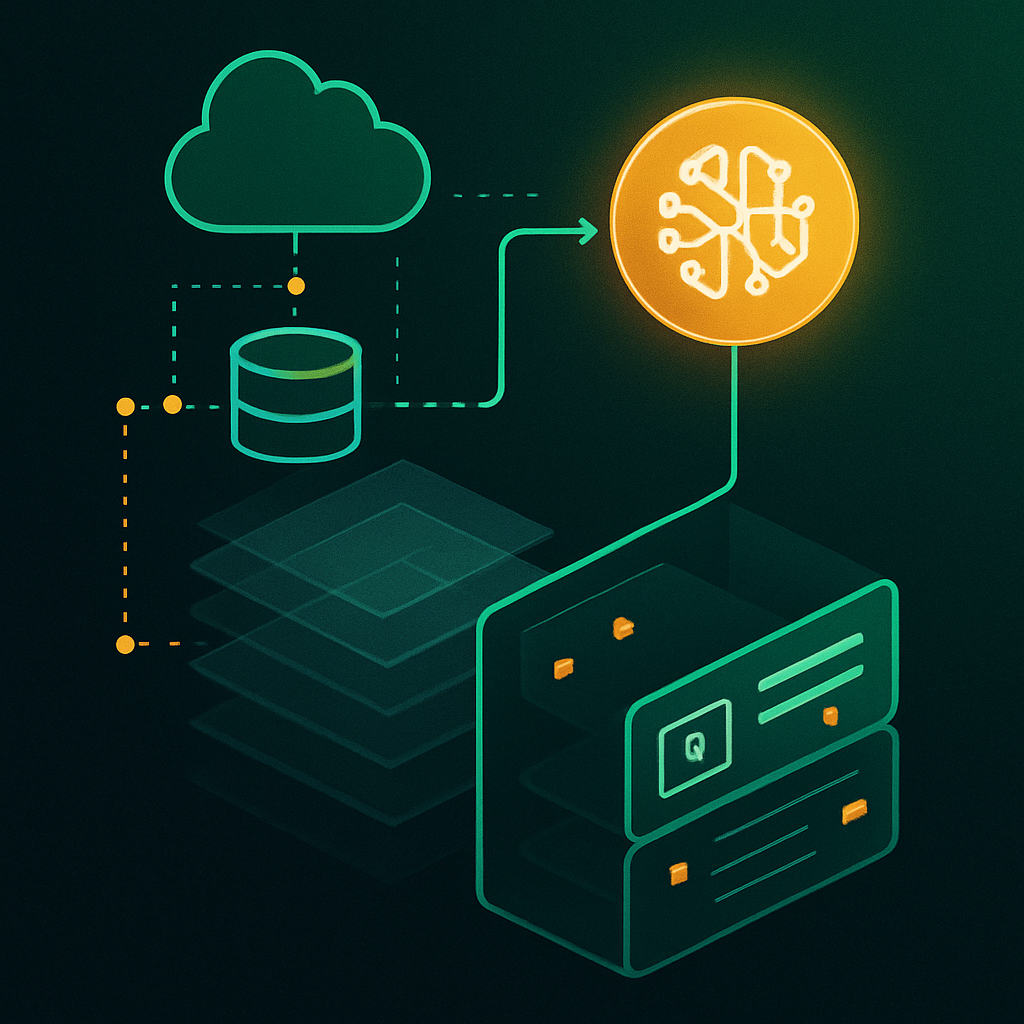
Introduction to Data Sovereignty in AI Context Integration
As multinational enterprises increasingly rely on AI context technologies for enhanced decision-making, understanding and implementing data sovereignty becomes crucial. Data sovereignty refers to the concept that data is subject to the laws and regulations of the country where it is collected. This is especially critical in global operations where data flows across borders regularly. This article explores strategies for optimizing data sovereignty within the framework of global AI context integration, balancing the needs for compliance, governance, and business agility.
The Rising Importance of Data Sovereignty
The imperative for robust data sovereignty practices has never been greater, especially in the context of AI deployments, which often involve processing vast amounts of sensitive and geographically diverse data. In a survey conducted by the NIST, 78% of organizations cited compliance with data sovereignty laws as a top priority. This emphasis is driven by increasingly stringent regulations like the GDPR in Europe and similar frameworks emerging worldwide. Such regulations mandate not only where data is stored, but also how it's processed, secured, and transported across national boundaries.
Cross-Border Data Flows and AI
In the era of global business, cross-border data flows are fundamental to the operation of multinational enterprises, especially those leveraging AI to gain strategic insights from disparate data sources. However, these flows are subject to varying international data protection laws, which can conflict. For instance, while one country may allow data transfer freely, another may enforce stringent controls, complicating seamless AI operations. To navigate this, enterprises need to implement robust cross-border data strategies that include the use of advanced encryption, compliance-focused orchestration tools, and secure international data exchange agreements to facilitate lawful data transfers.
Data Sovereignty as a Competitive Advantage
Embracing data sovereignty can unlock competitive advantages. Companies that efficiently manage data sovereignty issues can not only avoid hefty fines but also build trust with customers and stakeholders by demonstrating a commitment to data protection and privacy. In a PwC report, 65% of consumers expressed greater trust in companies that clearly communicate their data protection policies, which can directly influence brand loyalty and customer retention.
Strategic Recommendations
- Conduct a Data Sovereignty Audit: Enterprises should perform a comprehensive audit of their data flows and storage practices to identify areas of risk regarding compliance with local data laws. This involves cataloging data types, geographical origins, flow paths, and storage locations.
- Adopt Location-Aware Data Processing: Utilizing technologies that allow data to be processed within the confines of national borders can help comply with local data jurisdiction laws. This can be achieved through edge computing and localized cloud data centers.
- Implement Advanced Encryption Techniques: Protecting data as it crosses borders is crucial. Implementing encryption both at rest and in transit ensures that data remains secure and compliant with international privacy standards such as TLS and mTLS protocols.
- Engage Informed Legal Counsel: As laws and regulations continuously evolve, having legal experts in data protection and international compliance is critical. They can provide actionable insights and updates to help navigate the complexities of international data sovereignty requirements.
The Strategic Imperatives of Data Sovereignty
Data sovereignty is not just a regulatory burden; it's a strategic imperative. Ensuring data compliance helps enterprises mitigate legal risks, enhance trust with global customers, and avoid hefty penalties associated with regulations like GDPR and HIPAA. Moreover, proper data management frameworks can enhance decision-making by ensuring data accuracy and relevance across jurisdictions.
Key Drivers for Data Sovereignty
- Regulatory Compliance: Compliance with regional regulations protects enterprises from legal penalties and ensures business continuity.
- Risk Management: Data sovereignty helps in effectively managing and mitigating risks associated with cross-border data flows.
- Data Governance: It enables robust data governance frameworks that empower decision-makers with accurate and legally compliant data insights.
Challenges and Considerations
The complexities surrounding data sovereignty are extensive, as enterprises must navigate differing legislation across countries. Furthermore, technological challenges in data storage, access, and integration add layers of complexity.
Regulatory Fragmentation
Inconsistent regulations across regions require enterprises to adopt flexible strategies that accommodate multiple compliance regimes. For example, GDPR emphasizes consent and personal data rights, whereas other regions might focus on data retention policies.
Technological Hurdles
Managing data distribution efficiently across global infrastructures, while maintaining real-time access without violating sovereignty laws, is a significant technical barrier. Solutions require advanced data routing technologies and context-aware systems.
Frameworks for Optimizing Data Sovereignty
To navigate the complex landscape of data sovereignty, enterprises must adopt comprehensive frameworks that integrate technological, legal, and strategic elements.
Developing a Unified Data Strategy
- Data Classification and Localization: Implement classification schemes that identify sensitive data and place strict controls on its geographic storage and processing locations.
- Containerization: Use containerization technologies to manage data flows and encapsulate applications to ensure compliance across different jurisdictions.
Implementing Identity and Access Management (IAM)
IAM and SSO: Implementing IAM and SSO strategies ensures that data access is restricted based on geography, role, and necessity, thus enforcing data sovereignty policies effectively.
Data Residency and Cloud Solutions
- Hybrid and Multi-cloud Architectures: Utilize hybrid and multi-cloud solutions to control data residency. Deploy data across regional data centers based on compliance requirements, reducing latency and enhancing access.
- Encryption and mTLS: Employ robust encryption and mTLS protocols to secure data across borders, ensuring both compliance and security.
Business Value and ROI of Data Sovereignty
Enterprises that effectively manage data sovereignty can expect significant returns. Compliance minimizes legal risks and the associated costs, while strategic data placement can improve performance metrics through reduced latency and enhanced application reliability.
Case Studies and Metrics
Consider a global financial institution that implemented region-specific data hubs to align with GDPR. As a result, they reduced compliance costs by 30% and enhanced customer trust across their European operations. Another tech company leveraging multi-cloud strategies reportedly cut their latency by 25% while maintaining compliance.
Path to Organizational Adoption
For successful adoption, it is critical that organizations foster a culture of compliance and strategic data positioning, supported by executive leadership and continuous employee education.
Leadership and Governance
Executive Sponsorship: Garner leadership support to drive data governance initiatives and align them with broader enterprise objectives. Create a governance board that includes legal, technical, and business stakeholders.
Training and Awareness
- Regular Training Programs: Conduct regular training sessions on data sovereignty best practices for IT and business teams.
- Cross-Departmental Collaboration: Encourage collaboration across departments to ensure a holistic approach to data governance and compliance.
Conclusion
Optimizing data sovereignty is essential for enterprises operating globally. By employing a strategic approach that incorporates robust governance frameworks, businesses can ensure compliance while maximizing the business value derived from AI context technologies. Successful data sovereignty management not only safeguards against regulatory penalties but also enhances trust and operational efficiency.
Future-Proofing Through Integrated Strategies
Enterprises looking to future-proof their operations in the face of evolving regulations must create integrated data sovereignty strategies that are both flexible and comprehensive. This includes aligning data governance policies with anticipated regulatory changes, investing in technologies that enable seamless data tracking and localization, and fostering a culture of transparency and collaboration across international teams. Particularly, adopting technologies like AI-powered compliance monitoring and intelligent data segmentation can provide proactive insights into data flows and potential regulatory vulnerabilities.
Building Cross-Border Agility
In the context of AI, agility is paramount when dealing with data that crosses borders. Organizations should invest in frameworks that facilitate cross-border data transfers while strictly adhering to local data protection laws. Implementing advanced techniques such as data pseudonymization and differential privacy can help mitigate risks associated with cross-jurisdictional data transfers. Moreover, leveraging edge computing to localize data processing can not only reduce latency but also ensure that sensitive data remains within requisite geographic boundaries.
Cultivating Stakeholder Confidence
Trust is the cornerstone of data management, particularly in the realm of global AI context integration. Enterprises must prioritize transparent communication with stakeholders, including customers, partners, and regulators. By regularly sharing informative updates about data sovereignty practices and compliance measures, businesses can enhance stakeholder confidence. Additionally, using third-party audits to verify compliance with data protection standards such as GDPR and SOC 2 can serve as a testament to an organization's commitment to data integrity and sovereignty. Such audits provide credibility and demonstrate a proactive stance towards ethical data management.
Enhancing Technological Innovation
Finally, optimizing data sovereignty can be a catalyst for technological innovation. The constraints imposed by data regulations should be viewed as opportunities to innovate in data storage, management, and analysis. Forward-thinking organizations develop custom solutions that not only meet compliance needs but also enhance operational capabilities. By fostering innovation in these areas, companies can achieve competitive differentiation while ensuring that their AI context solutions remain resilient and adaptable to future regulatory landscapes. A significant aspect of this innovation involves incorporating machine learning models that are designed to operate within diverse regulatory frameworks, thus ensuring scalability and adaptability.
In conclusion, by implementing forward-thinking strategies that harmonize governance, technology, and stakeholder engagement, enterprises can turn the complexities of data sovereignty into advantages. These measures not only protect against compliance risks but also enable companies to harness the full potential of AI in a dynamic and legally complex global environment. As the data landscape continues to evolve, enterprises that position themselves at the forefront of strategic data sovereignty will lead in both compliance and innovation.