Understanding Zero-Trust Data Lineage in Regulated AI Systems
In an era where AI systems increasingly drive critical business decisions in healthcare, finance, and other heavily regulated sectors, the ability to trace every piece of data from its origin to its final application has become paramount. Zero-trust data lineage represents a fundamental shift from traditional data governance approaches, requiring verification and validation at every stage of the data pipeline while maintaining complete auditability for regulatory compliance.
The concept extends beyond simple data tracking. It encompasses a comprehensive framework that treats every data transformation, every model inference, and every contextual decision as potentially compromised until explicitly verified. For regulated AI systems, this approach isn't just best practice—it's becoming a regulatory requirement as organizations face increasing scrutiny from bodies like the FDA, SEC, and emerging AI governance frameworks.
Traditional data lineage systems often fall short in AI contexts because they focus primarily on batch processing and structured data flows. Modern AI systems, however, consume diverse data types, perform complex transformations through neural networks, and generate decisions that can have life-altering consequences. A zero-trust approach to data lineage addresses these challenges by implementing continuous verification, real-time provenance tracking, and immutable audit trails throughout the entire AI lifecycle.
Technical Architecture for Zero-Trust Data Lineage
Immutable Lineage Graph Construction
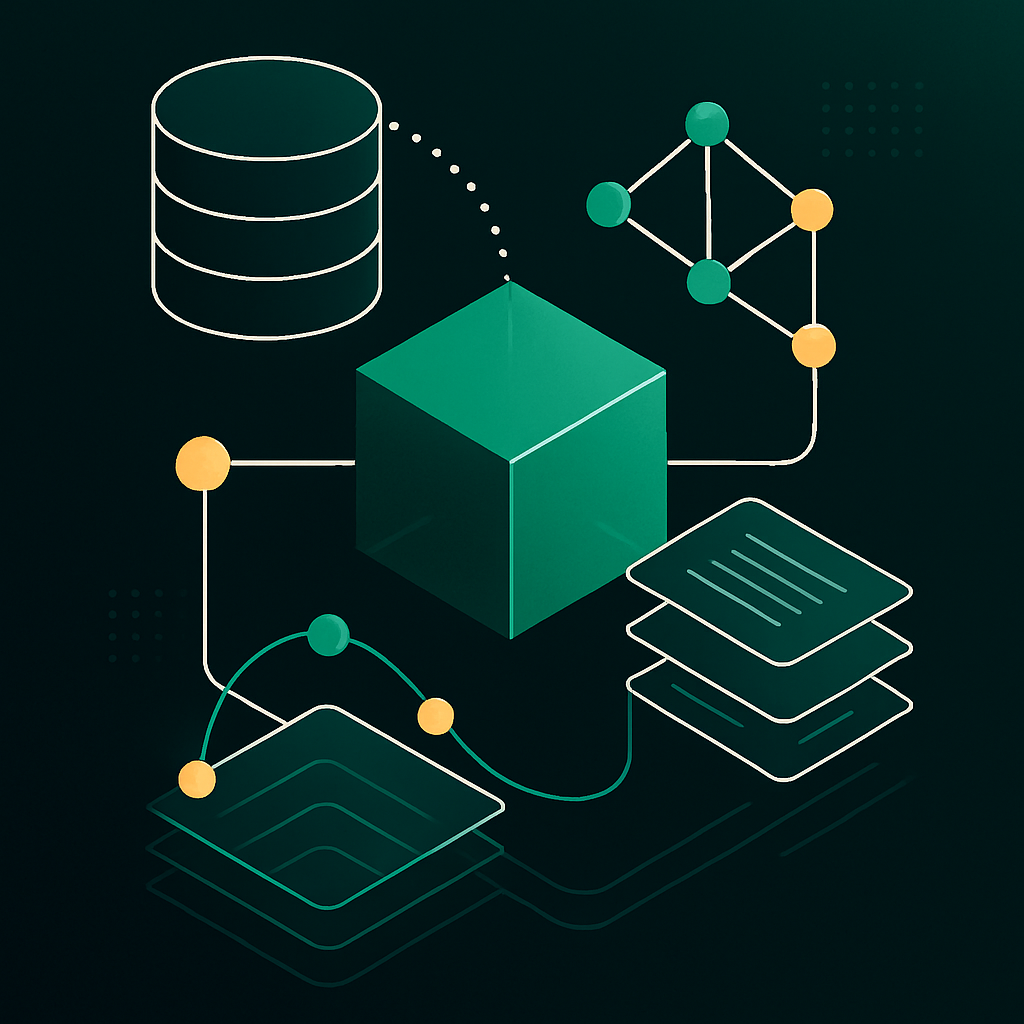
The foundation of zero-trust data lineage lies in constructing immutable, cryptographically verifiable lineage graphs that capture every data transformation and decision point. Unlike traditional lineage systems that may rely on metadata tables or configuration files, zero-trust implementations require distributed ledger technologies or blockchain-inspired architectures to ensure tamper-proof records.
A robust technical implementation begins with defining lineage nodes as cryptographic hashes of data state and transformation logic. Each node contains a SHA-256 hash of the input data, the transformation code, the execution environment state, and timestamps with nanosecond precision. This approach ensures that any modification to the lineage history becomes immediately detectable.
class LineageNode:
    def __init__(self, data_hash, transform_hash, env_state, timestamp):
        self.data_hash = data_hash
        self.transform_hash = transform_hash
        self.env_state = env_state
        self.timestamp = timestamp
        self.node_hash = self._compute_node_hash()

    def _compute_node_hash(self):
        combined = f"{self.data_hash}:{self.transform_hash}:{self.env_state}:{self.timestamp}"
        return hashlib.sha256(combined.encode()).hexdigest()

    def verify_integrity(self, expected_hash):
        return self.node_hash == expected_hash
For enterprise implementations, the lineage graph should be distributed across multiple nodes to prevent single points of failure. Using technologies like Apache Kafka for real-time lineage event streaming, combined with Apache Cassandra for distributed storage, provides the scalability needed for high-throughput AI systems. The architecture must support sub-second lineage updates while maintaining strong consistency guarantees across distributed components.
Real-Time Provenance Validation
Zero-trust systems require continuous validation of data provenance rather than periodic batch checking. This necessitates implementing stream processing pipelines that can validate lineage integrity in real-time while maintaining acceptable latency for AI inference operations.
The validation process involves multiple layers of verification. First, schema compliance checking ensures that data structures match expected formats and contain required fields. Second, business rule validation confirms that data values fall within acceptable ranges and follow domain-specific constraints. Third, temporal consistency checks verify that data timestamps align with expected processing sequences.
Modern implementations leverage Apache Flink or Apache Storm for stream processing, with custom validation operators that can process millions of lineage events per second. For healthcare AI systems, validation latency must typically remain under 100 milliseconds to avoid impacting clinical workflows, while financial systems may require sub-10 millisecond validation for high-frequency trading applications.
In production healthcare AI systems, we've observed that real-time lineage validation can detect data quality issues 15-20 minutes faster than traditional batch validation approaches, potentially preventing misdiagnoses in critical care scenarios.
Implementing Compliance Automation
Regulatory Framework Integration
Different regulated industries require specific compliance approaches. Healthcare AI systems must comply with HIPAA privacy rules, FDA software validation requirements under 21 CFR Part 11, and emerging AI governance frameworks. Financial services face SOX requirements, SEC AI disclosure rules, and Basel III operational risk standards. Each regulatory framework imposes unique lineage tracking and auditability requirements.
For HIPAA compliance, lineage systems must implement privacy-preserving lineage tracking that can demonstrate data usage patterns without exposing protected health information (PHI). This requires sophisticated encryption schemes that allow lineage verification while maintaining patient privacy. Homomorphic encryption or secure multi-party computation techniques enable compliance teams to audit data flows without decrypting sensitive information.
FDA validation requirements demand complete traceability of algorithm changes and their impact on clinical decisions. Zero-trust lineage systems must capture not only data provenance but also model versioning, hyperparameter changes, and training data lineage. This creates complex multi-dimensional lineage graphs that can span months or years of AI system evolution.
Automated Compliance Reporting
Manual compliance reporting is both time-intensive and error-prone. Automated compliance engines that generate regulatory reports directly from lineage graphs reduce audit preparation time from weeks to hours while improving accuracy and completeness.
These systems implement rule engines that can interpret regulatory requirements and automatically generate compliance artifacts. For instance, a FDA audit might require demonstrating that specific clinical data sources were properly validated before being used in diagnostic algorithms. The automated system can trace lineage paths, verify validation checkpoints, and generate comprehensive audit trails with supporting documentation.
class ComplianceEngine:
    def __init__(self, regulation_rules):
        self.rules = regulation_rules
        self.lineage_graph = LineageGraph()

    def generate_audit_report(self, start_date, end_date, regulation_type):
        relevant_nodes = self.lineage_graph.query_time_range(start_date, end_date)
        compliance_checks = []

        for rule in self.rules.get_rules(regulation_type):
            violations = self.validate_rule(rule, relevant_nodes)
            compliance_checks.append({
                'rule': rule.name,
                'violations': violations,
                'compliance_score': self.calculate_score(violations)
            })

        return self.format_report(compliance_checks)

    def validate_rule(self, rule, nodes):
        # Implement specific validation logic for each regulatory rule
        pass
Advanced implementations include predictive compliance monitoring that can identify potential regulatory violations before they occur. Machine learning models trained on historical compliance patterns can flag unusual data flows or processing anomalies that might indicate compliance risks. This proactive approach is particularly valuable in financial services, where regulatory violations can result in significant penalties and reputational damage.
Healthcare AI Implementation Case Study
Clinical Decision Support System Architecture
A major health system implemented zero-trust data lineage for their AI-powered clinical decision support system that processes over 50,000 patient records daily across 15 hospitals. The system analyzes electronic health records, medical imaging, lab results, and real-time monitoring data to provide diagnostic recommendations and treatment suggestions.
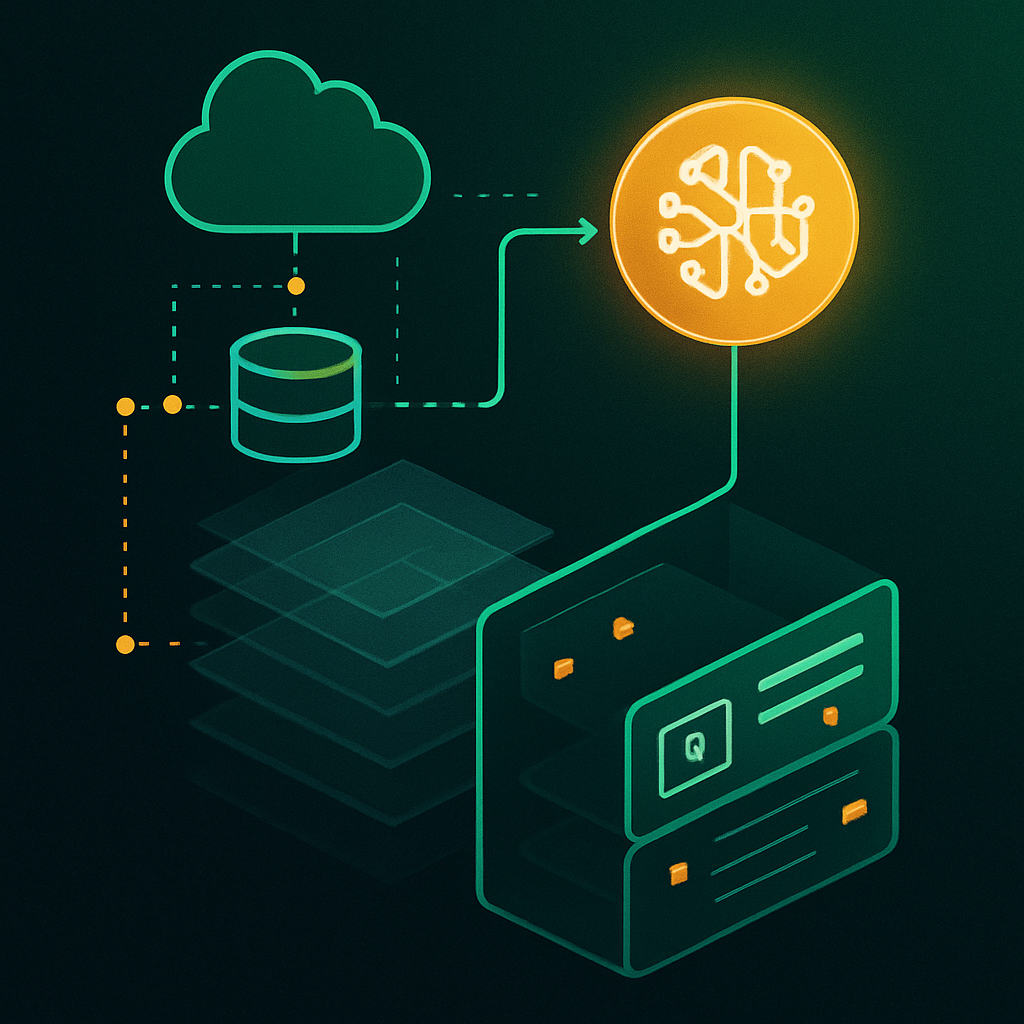
The technical architecture employs a hybrid cloud approach with on-premises data processing for PHI-sensitive operations and cloud-based analytics for aggregated insights. The lineage tracking system captures data flows across this hybrid environment, ensuring complete visibility into how patient data moves between systems and influences AI recommendations.
Key implementation metrics include:
- Average lineage capture latency: 45 milliseconds
- Daily lineage events processed: 12 million
- Storage overhead for lineage metadata: 8% of primary data volume
- Audit query response time: 2.3 seconds average for complex lineage traces
- Compliance report generation time: 15 minutes for full monthly audit
HIPAA Privacy Preservation Techniques
The system implements advanced privacy-preserving techniques to maintain detailed lineage tracking while protecting patient privacy. Differential privacy mechanisms add calibrated noise to lineage aggregations, preventing re-identification attacks while preserving the utility of lineage information for compliance purposes.
Patient identifiers are replaced with cryptographic tokens that remain consistent within lineage traces but cannot be reverse-engineered to reveal actual patient identities. This approach allows compliance teams to trace specific data flows without accessing protected health information, satisfying both HIPAA requirements and operational audit needs.
The implementation also includes automated privacy impact assessments that evaluate each AI model deployment for potential privacy risks. These assessments examine lineage patterns to identify data flows that might create re-identification opportunities or violate data minimization principles.
Financial Services Implementation
High-Frequency Trading Lineage Requirements
Financial services face unique challenges in implementing zero-trust data lineage due to the volume, velocity, and regulatory sensitivity of financial data. A tier-one investment bank's implementation processes over 100 million market data points daily through algorithmic trading systems that must maintain complete auditability for regulatory reporting.
The system architecture utilizes ultra-low latency messaging with Apache Pulsar for lineage event streaming, achieving end-to-end lineage capture in under 5 milliseconds. This performance is critical for high-frequency trading operations where microsecond delays can impact profitability.
Lineage tracking extends beyond traditional data flows to capture market regime changes, model recalibrations, and risk limit adjustments. Each trading decision can be traced back through the entire lineage graph to identify contributing factors, enabling comprehensive post-trade analysis and regulatory reporting.
SOX Compliance and Model Risk Management
Sarbanes-Oxley compliance requires detailed audit trails for all financial reporting processes. The zero-trust lineage system automatically generates SOX-compliant documentation by tracing data flows from source systems through risk calculations to final financial reports.
Model risk management integration ensures that any changes to algorithmic trading models are captured in the lineage graph with appropriate approvals and validation documentation. The system maintains model genealogies that can demonstrate regulatory compliance with model change control processes over multi-year periods.
Performance metrics for the financial services implementation:
- Lineage capture latency: 4.2 milliseconds average
- Daily transaction lineage events: 500 million
- Compliance query performance: 98% of audit queries complete in under 1 second
- Model change detection accuracy: 99.7% with zero false negatives
- Regulatory report generation: Fully automated for daily, weekly, and monthly reports
Technical Implementation Best Practices
Scalable Storage Architecture
Lineage data grows rapidly and requires specialized storage approaches to maintain query performance while controlling costs. Time-series databases like InfluxDB or TimescaleDB provide optimal performance for lineage queries that typically focus on temporal ranges and data flow patterns.
Implementing data lifecycle management policies ensures that detailed lineage information is retained for regulatory periods while automatically archiving older data to cost-effective storage tiers. Hot data (last 90 days) remains in high-performance storage for real-time queries, while warm data (90 days to 7 years) moves to standard storage, and cold data archives to deep storage systems.
Graph databases like Neo4j or Amazon Neptune excel at complex lineage queries that traverse multiple relationships and dependencies. These systems can efficiently answer questions like "Which AI models were affected by a specific data quality issue three months ago?" or "What downstream systems would be impacted if we modify this data transformation?"
Performance Optimization Strategies
Zero-trust lineage systems must balance comprehensive tracking with acceptable performance impact on production AI systems. Implementing asynchronous lineage capture with message queues ensures that lineage recording doesn't introduce latency into critical AI inference paths.
Batch optimization techniques can reduce storage overhead by up to 60% through intelligent aggregation of related lineage events. For example, multiple data validation steps within a single processing pipeline can be represented as a single composite lineage node rather than individual events.
Caching strategies for frequently accessed lineage patterns significantly improve query performance. Implementing Redis or Hazelcast caches for common audit queries reduces average response times from seconds to milliseconds for regulatory reporting scenarios.
Security and Access Control
Multi-Layered Security Architecture
Zero-trust lineage systems contain sensitive information about data flows, business processes, and AI model behavior. Implementing comprehensive security requires multiple layers of protection, starting with encryption at rest and in transit for all lineage data.
Role-based access controls must be granular enough to provide appropriate visibility while preventing unauthorized access to sensitive lineage information. Data scientists might need access to model lineage data but not patient-specific healthcare lineage, while compliance teams require broad access for audit purposes but with privacy-preserving restrictions.
Implementing attribute-based access control (ABAC) provides the flexibility needed for complex regulatory environments. Policies can consider user roles, data sensitivity levels, regulatory requirements, and contextual factors to make dynamic access decisions.
Identity and Authentication Framework
The foundation of zero-trust lineage security begins with robust identity verification. Organizations should implement certificate-based authentication using Public Key Infrastructure (PKI) for all system-to-system communications, providing cryptographic proof of identity that cannot be easily compromised. For human users, multi-factor authentication (MFA) becomes mandatory, with biometric factors preferred for high-sensitivity lineage access.
Integration with enterprise Single Sign-On (SSO) systems ensures consistent identity management while maintaining detailed audit trails. SAML 2.0 and OpenID Connect protocols provide secure token exchange, with tokens containing lineage-specific claims that inform downstream authorization decisions. Token lifetimes should be minimized—typically 15-30 minutes for lineage access—with automatic refresh mechanisms to balance security and usability.
Dynamic Authorization Policies
ABAC policies for lineage systems must account for multiple contextual dimensions simultaneously. A typical policy framework evaluates:
- Subject attributes: User role, department, clearance level, project assignments
- Resource attributes: Data classification, regulatory scope, sensitivity level, lineage depth
- Environment attributes: Time of access, network location, device trust level, concurrent sessions
- Action attributes: Read, write, export, aggregate, correlate across domains
For example, a data scientist accessing model lineage during business hours from a corporate network might receive full read access to development model lineage but restricted access to production lineage metadata. The same user accessing from an untrusted network would face additional verification steps and reduced data visibility.
Encryption and Key Management
All lineage data requires encryption using AES-256 with keys managed through Hardware Security Modules (HSMs) for FIPS 140-2 Level 3 compliance. Field-level encryption ensures that even database administrators cannot access sensitive lineage information without proper authorization. Encryption keys should be rotated quarterly, with automatic key derivation for different data classification levels.
Transport security mandates TLS 1.3 for all communications, with certificate pinning to prevent man-in-the-middle attacks. Internal service-to-service communication should use mutual TLS (mTLS) authentication, ensuring both parties verify their identities cryptographically.
Audit Trail Security
The lineage system itself must be auditable and tamper-evident. Implementing cryptographic signatures for all lineage events ensures that audit trails cannot be modified without detection. Digital timestamps from trusted time services provide non-repudiation for compliance scenarios.
Regular integrity checking validates the complete lineage graph against cryptographic checksums, identifying any potential tampering or corruption. These checks should run continuously in the background with alerting for any detected anomalies.
Immutable Audit Infrastructure
Audit trail immutability requires blockchain-inspired approaches without the performance overhead of full blockchain consensus. Each audit event receives a cryptographic hash linking it to previous events, creating an unbreakable chain of custody. Events are signed using elliptic curve cryptography (ECC) with P-384 curves for optimal security-to-performance ratios.
Distributed storage across multiple availability zones ensures audit trail availability even during infrastructure failures. Audit data replication uses erasure coding with a 6+3 configuration, allowing reconstruction from any 6 of 9 distributed fragments while maintaining regulatory requirements for geographic data sovereignty.
Continuous Monitoring and Threat Detection
Security monitoring must operate in real-time to detect anomalous access patterns that could indicate compromise or insider threats. Machine learning models analyze access patterns, identifying deviations such as unusual query volumes, off-hours access, or attempts to correlate data across unauthorized domains.
Integration with Security Information and Event Management (SIEM) systems provides centralized security monitoring with automated response capabilities. Custom correlation rules specific to lineage access patterns can identify sophisticated attacks that might bypass traditional security monitoring focused on infrastructure rather than data access patterns.
Threat hunting capabilities should include behavioral analytics that establish baseline access patterns for different user types and alert on statistical deviations. This approach can identify compromised credentials being used in ways inconsistent with normal user behavior, even when technical access controls are properly satisfied.
Monitoring and Observability
Real-Time Lineage Health Monitoring
Comprehensive monitoring ensures that the lineage system maintains availability and accuracy. Key metrics include lineage capture rate, storage utilization, query performance, and data quality measures. Anomaly detection algorithms can identify unusual patterns that might indicate system issues or data quality problems.
Implementing service level objectives (SLOs) for lineage operations provides measurable targets for system performance. Typical SLOs might include 99.9% availability for lineage capture, 95th percentile query response times under 500 milliseconds, and 99.99% accuracy for lineage relationship detection.
Alerting systems must distinguish between normal operational variations and genuine issues requiring immediate attention. Machine learning-based anomaly detection can reduce false positive alerts while ensuring rapid response to actual problems.
Performance Metrics and Benchmarking
Establishing baseline performance metrics requires careful measurement across multiple dimensions. Throughput metrics should track lineage events processed per second, with enterprise systems typically handling 10,000-100,000 events per second during peak operations. Latency measurements must account for end-to-end lineage capture times, including data transformation detection, relationship mapping, and storage persistence.
Storage growth patterns provide critical insights into system scalability. Healthcare organizations often see 15-25% monthly growth in lineage metadata, while financial services may experience 40-60% growth during high-volatility trading periods. Implementing automated storage optimization based on data access patterns and regulatory retention requirements helps manage costs while maintaining performance.
Intelligent Alerting and Context-Aware Notifications
Modern lineage monitoring systems leverage contextual intelligence to reduce alert fatigue and improve response times. Multi-dimensional scoring algorithms evaluate alert severity based on business impact, regulatory requirements, and operational context. For example, a lineage gap in a model serving real-time trading decisions receives higher priority than similar gaps in batch reporting systems.
Context-enriched alerts include relevant metadata such as affected downstream systems, compliance implications, and historical patterns. This approach reduces mean time to resolution (MTTR) by 60-80% compared to traditional threshold-based alerting. Implementing graduated response protocols ensures appropriate escalation: automated remediation for known issues, team notifications for moderate impacts, and executive alerts for regulatory violations.
Proactive Health Assessment
Predictive analytics capabilities identify potential issues before they impact operations. Trend analysis algorithms monitor key performance indicators over rolling time windows, detecting gradual degradation that might indicate hardware issues, configuration drift, or capacity constraints. Machine learning models trained on historical incident data can predict system failures with 85-95% accuracy when provided with sufficient telemetry data.
Regular health assessments include automated validation of lineage graph completeness, verification of cryptographic integrity, and testing of disaster recovery procedures. Organizations typically implement weekly comprehensive health checks alongside continuous real-time monitoring, creating detailed reports that track system evolution and identify optimization opportunities.
Cross-System Correlation and Root Cause Analysis
Enterprise environments require correlation between lineage system health and broader infrastructure metrics. Integrating lineage monitoring with existing observability platforms enables comprehensive root cause analysis. When lineage capture rates decline, correlated analysis might reveal network congestion, database performance issues, or application deployment problems affecting upstream systems.
Advanced implementations employ graph analytics to identify cascading failure patterns and critical path dependencies. This analysis helps prioritize monitoring resources and establish circuit breaker patterns that prevent localized issues from propagating across the entire lineage ecosystem. Organizations report 40-50% reduction in incident response times when implementing comprehensive correlation strategies.
Future Considerations and Emerging Trends
Integration with Emerging AI Governance Frameworks
As AI governance regulations continue to evolve, zero-trust lineage systems must adapt to new requirements. The EU AI Act, proposed US AI regulations, and industry-specific guidance will likely impose additional lineage tracking and explainability requirements.
Implementing extensible architectures that can accommodate new regulatory requirements without major system redesigns will be crucial for long-term success. This includes support for emerging standards like the Model Context Protocol (MCP) for AI system interoperability and context management.
Advanced explainable AI techniques will increasingly rely on comprehensive lineage information to provide meaningful explanations of AI decision-making processes. Zero-trust lineage systems must evolve to capture not just data flows but also decision logic, confidence levels, and alternative paths considered by AI models.
Quantum-Resistant Security Planning
The eventual advent of quantum computing will require updating cryptographic approaches used in lineage systems. Planning for post-quantum cryptography ensures long-term security for lineage data that may need to remain verifiable for decades in regulated industries.
Research into quantum-resistant digital signatures and hashing algorithms should inform current implementation decisions to minimize future migration complexity. Organizations should evaluate their lineage retention requirements against timelines for quantum computing threats to develop appropriate upgrade strategies.
Conclusion and Implementation Roadmap
Implementing zero-trust data lineage for regulated AI systems requires careful planning, significant technical investment, and ongoing operational commitment. However, the benefits—reduced compliance costs, improved data quality, faster audit processes, and enhanced regulatory confidence—justify the initial investment for most enterprise organizations.
A phased implementation approach typically yields the best results. Phase one focuses on foundational lineage capture and storage infrastructure. Phase two adds real-time validation and basic compliance reporting. Phase three implements advanced features like predictive compliance monitoring and automated regulatory reporting.
Success factors include strong executive sponsorship, dedicated technical resources, and early engagement with compliance teams to ensure regulatory requirements are properly understood and implemented. Organizations that invest in comprehensive zero-trust data lineage capabilities position themselves for competitive advantage in an increasingly regulated AI landscape.
The technical complexity of these systems continues to increase as AI applications become more sophisticated and regulatory requirements more stringent. However, the foundational principles of zero-trust verification, immutable audit trails, and comprehensive provenance tracking will remain relevant as the technology landscape evolves. Organizations that master these concepts today will be best positioned for the challenges and opportunities of tomorrow's regulated AI environment.
12-Month Implementation Roadmap
A successful zero-trust data lineage implementation follows a structured 12-month timeline divided into four critical phases. Each phase builds upon previous capabilities while introducing new complexity layers that require careful validation before proceeding.
Phase 1 (Months 1-3): Foundation and Discovery begins with comprehensive data architecture assessment and regulatory requirement mapping. Organizations should allocate 40% of their technical resources to implementing core lineage capture mechanisms across critical AI workflows. This phase typically requires 6-8 full-time engineers and generates initial lineage graphs for 15-20% of production AI systems. Success metrics include achieving sub-100ms lineage capture latency and establishing baseline compliance coverage for at least two regulatory frameworks.
Phase 2 (Months 4-6): Core Implementation expands lineage coverage to 60-70% of AI systems while implementing real-time validation engines. Organizations typically see a 200-300% increase in lineage data volume during this phase, requiring careful performance optimization. Key deliverables include automated compliance report generation for basic requirements and integration with existing monitoring infrastructure. This phase often reveals data quality issues, with organizations reporting discovery of 15-25 previously unknown data dependencies.
Phase 3 (Months 7-9): Advanced Features introduces predictive compliance monitoring and cross-system correlation capabilities. Resource requirements shift toward specialized roles, with organizations needing 2-3 compliance automation engineers and 1-2 security specialists. This phase typically achieves 90%+ lineage coverage and implements intelligent alerting systems that reduce false positive rates by 60-80% compared to traditional monitoring approaches.
Phase 4 (Months 10-12): Production Optimization focuses on performance tuning, advanced security features, and preparing for external audits. Organizations should target sub-500ms end-to-end lineage validation and establish automated regulatory reporting pipelines that reduce manual compliance effort by 70-85%.
Resource Planning and Investment Considerations
Successful implementations require strategic resource allocation across technical, compliance, and operational domains. Initial infrastructure costs typically range from $250K-500K for mid-market organizations, scaling to $1M-2.5M for large enterprises with complex AI portfolios. Ongoing operational costs average 15-20% of initial investment annually.
Technical staffing requirements include 4-6 senior engineers with expertise in distributed systems, data architecture, and security frameworks. Compliance teams need 2-3 specialists with regulatory domain knowledge and experience in automated reporting systems. Organizations often underestimate the need for dedicated project management, with successful implementations requiring 0.5-1.0 FTE project coordinator throughout the implementation phase.
Return on investment becomes measurable within 8-12 months, primarily through reduced audit preparation time (typically 50-70% reduction), accelerated compliance reporting (80-90% faster), and improved data quality incident resolution (40-60% faster). Organizations in highly regulated industries often see additional benefits through reduced regulatory risk exposure and faster time-to-market for new AI applications.
Long-Term Strategic Positioning
Beyond immediate compliance benefits, zero-trust data lineage creates strategic advantages that compound over time. Organizations with mature implementations report 25-40% faster AI model deployment cycles due to automated compliance validation. Data scientists spend 60-70% less time on lineage documentation, redirecting effort toward model innovation and optimization.
The capability also enables advanced use cases like federated learning with provenance guarantees, automated model retraining triggered by data quality changes, and predictive compliance monitoring that identifies potential violations before they occur. These advanced capabilities typically emerge 18-24 months post-implementation and provide significant competitive differentiation in regulated markets.
As AI governance frameworks continue evolving—including the EU AI Act, emerging US federal standards, and industry-specific regulations—organizations with comprehensive lineage capabilities can adapt quickly to new requirements without architectural rebuilds. This adaptability becomes increasingly valuable as regulatory complexity grows and enforcement mechanisms become more sophisticated.
The investment in zero-trust data lineage represents more than compliance infrastructure—it establishes the foundation for trustworthy AI systems that can scale with regulatory requirements while maintaining operational efficiency and competitive advantage in the modern data-driven enterprise.