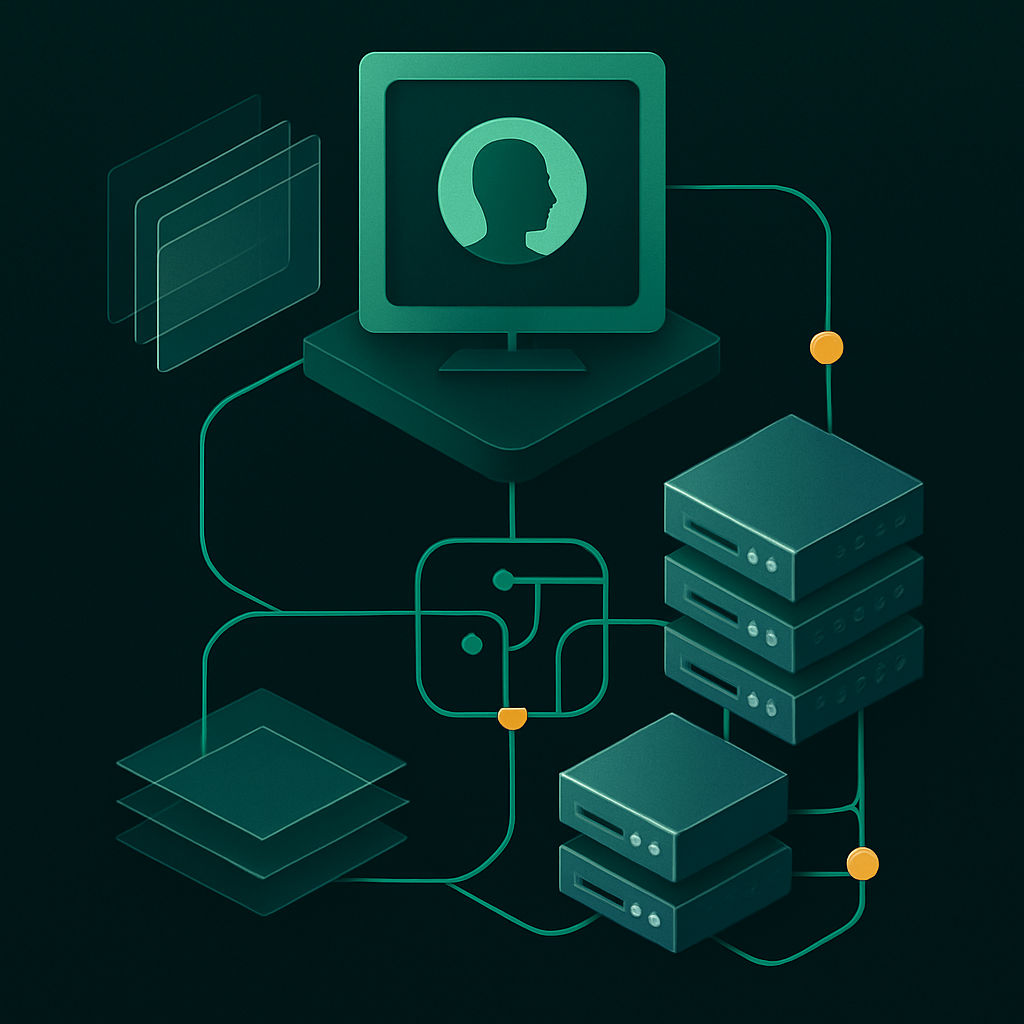
Introduction to MCP Server Automation and DevOps
The Model Context Protocol (MCP) is revolutionizing the way enterprises manage complex datasets and context-driven applications. When deploying MCP servers, enterprises often face challenges in configuration, scaling, and maintenance. Integrating DevOps practices, particularly Continuous Integration and Continuous Deployment (CI/CD) pipelines, offers a streamlined approach to automating MCP server management. This article delves into the mechanics of combining MCP with DevOps principles to achieve seamless automation and operational excellence.
The Evolving Landscape of MCP and DevOps
The continuous evolution of enterprise data architecture necessitates a transformative approach to server management, one that MCP and DevOps are uniquely positioned to provide. With the rise of big data and AI-driven insights, the pressure on organizations to handle voluminous datasets with high precision and minimal downtime has skyrocketed. DevOps principles, including automation, iterative development, and cross-functional team collaboration, are critical to addressing these demands effectively.
For instance, the integration of CI/CD pipelines within MCP server infrastructures allows teams to automate repetitive tasks, thus enhancing the speed and efficiency of deployments. This automation not only minimizes human error but also ensures that new features and context models can be deployed rapidly without extensive manual intervention. A survey by DevOps Research and Assessment (DORA) indicates that organizations implementing DevOps achieve 208 times more frequent code deployments than their peers without such practices, showing the transformative potential when paired with MCP.
Key Benefits of MCP Server Automation
- Enhanced Agility: By leveraging automation, MCP server environments can adapt swiftly to changing business requirements. This agility is crucial for industries such as finance and retail, where real-time data processing and context adaptation can significantly impact customer satisfaction and operational efficiency.
- Improved Stability and Reliability: Automated testing within CI/CD pipelines ensures that each deployment is stable and meets predefined performance benchmarks. This means fewer disruptions and enhanced reliability of MCP-driven applications.
- Cost Efficiency: Reducing the manual overhead associated with server management through automated operations results in significant cost savings. These savings originate from lowered labor expenses and decreased downtime associated with manual configuration errors.
- Scalability: With DevOps, MCP infrastructures can scale up or down efficiently based on demand patterns, without compromising on performance or quality.
Implementation Considerations
To effectively integrate DevOps within MCP server environments, organizations must consider specific implementation strategies. A detailed assessment of existing infrastructure and workflows is critical. This evaluation should identify bottlenecks and potential areas for optimization. For example, cloud-native MCP deployments can benefit from integrating services like AWS Lambda or Kubernetes clusters to handle workload distribution dynamically, thereby aligning with the elastic demand paradigm.
Benchmarking Success: What Does It Look Like?
Enterprises aiming for successful MCP and DevOps integration should consider setting benchmarks across several areas:
- Deployment Frequency: How regularly can your team deploy code to production?
- Lead Time for Changes: Measure the time taken from a commit to reaching production.
- Change Failure Rate: What percentage of changes to production result in a failure?
- Time to Restore Service: How quickly can you restore service in case of an incident?
These metrics provide a clear framework to gauge the effectiveness of MCP server automation efforts and identify areas for continuous improvement.
Understanding MCP and Its Role in Enterprise Context Management
MCP serves as a critical component in managing comprehensive data architectures by enabling efficient context management. Essentially, MCP deals with overseeing how data is consumed, processed, and represented across different business use cases, ensuring the right context is always accessible to stakeholders.
The Multifaceted Role of MCP in Data Management
MCP not only facilitates efficient context management but also plays a pivotal role in ensuring data integrity and enhancing data lifecycle management. In large enterprises, where data flows from various sources, MCP acts as a centralized platform that consolidates these inputs and maintains context continuity. This ensures that all data interactions are contextually aware, minimizing the risk of misinterpretation.
Advanced Analytics and Decision-Making
By implementing MCP servers, organizations can standardize context processing and leverage advanced analytics to drive data-driven decisions across various departments. Advanced analytics deployed on MCP servers provide real-time insights into operational efficiencies, customer behaviors, and market trends. For instance, a financial institution can use MCP to process transaction data in context, enabling fraud detection algorithms to work more effectively by identifying anomalies with greater accuracy.
Moreover, by implementing machine learning models, MCP can continuously refine and enhance context algorithms, leading to more accurate predictions and more reliable outcomes. This forms a feedback loop where context-aware decisions lead to better data, and better data leads to improved context processing.
Operational Challenges in Large-Scale MCP Deployment
Large-scale deployment of MCP servers poses significant operational challenges. One of the primary challenges is ensuring seamless integration with existing IT infrastructure, which often involves complex web of legacy systems and newer applications. Additionally, scalability is a core concern; organizations need the capability to efficiently manage data loads as they grow or fluctuate, which is common with seasonal demands or marketing campaigns.
The Essential Role of Automation in MCP Management
This is where server automation becomes essential. Automation in MCP server management helps streamline repetitive tasks, such as configuration, monitoring, and maintenance, allowing IT teams to focus their efforts on strategic initiatives rather than operational tasks. Automation reduces error margins associated with manual processes, which is crucial for maintaining data integrity and compliance.
Furthermore, automation enables dynamic scaling and resource optimization. By using automation, enterprises can automatically adjust server resources in response to real-time demands, thus optimizing performance and reducing costs. For example, during peak business hours, automated systems can provision additional computing resources to handle increased loads, and scale them back during off-peak times.
Implementation Strategies for MCP Automation
- Incremental Deployment: Start by automating critical tasks that require frequent manual intervention. This allows for testing and optimizing automation scripts on a smaller scale before broader deployment.
- Tool Integration: Utilize advanced automation tools such as Ansible, Puppet, or Chef for configuration management and deployment tasks. Ensure these tools integrate well with existing software and hardware ecosystems.
- Continuous Monitoring: Implement monitoring solutions that not only track performance metrics but also provide actionable insights through real-time analytics and alerting mechanisms to preemptively address potential issues.
These strategic implementations not only simplify MCP management but also create a resilient infrastructure capable of responding agilely to evolving business contexts and technological advancements.
Why Automate MCP Server Management?
Automation reduces the complexity of MCP server operations. Listed below are several advantages of implementing automation within MCP infrastructure:
- Consistency: Automated procedures ensure consistency in server configurations, minimizing the risk of human errors. This substantially reduces configuration drift, which can lead to performance bottlenecks or security vulnerabilities. A report by Puppet's 2023 State of DevOps highlighted that organizations employing automation have 60% fewer configuration errors when compared to those using manual processes.
- Scalability: Automation enables the efficient scaling of resources in line with demand. With automated scaling policies, enterprises can quickly adjust resource allocation to match usage patterns, such as handling seasonal traffic spikes. AWS observed that automated MCP environments can scale resources up to 70% faster, providing significant agility during peak demand periods.
- Time Efficiency: Tasks that once took hours like deploying changes can be reduced to minutes. Continuous deployment tools like Jenkins and GitLab CI/CD facilitate this by automating the build, test, and deployment processes. For example, organizations that fully embrace automation can release new updates 200 times more frequently compared to their non-automated counterparts, according to a 2022 DevOps survey by Accelerate State of DevOps Report.
- Enhanced Monitoring: Integrated monitoring and alerting systems improve system reliability. Tools such as Prometheus and Grafana provide real-time insights and dashboards that allow teams to detect and rectify anomalies instantly. This leads to predictive maintenance capabilities, reducing system failures by over 40% as per industry benchmarks, ensuring continuous availability of services.
Case Study: A Leading Retailer
A prominent retail enterprise faced a series of challenges due to manually configured MCP servers that resulted in delayed context data delivery. Their complex environment required frequent configuration changes which were prone to human error and inconsistency, leading to extended downtimes and poor customer satisfaction scores.
The company decided to overhaul their MCP approach by integrating DevOps automation tools such as Ansible for configuration management and Terraform for infrastructure as code (IaC). By doing so, they not only reduced their server downtime by 30% but also improved context processing speeds by 45%, contributing to a noticeable enhancement in customer data interaction quality. This transformation allowed them to offer personalized real-time recommendations to customers, reducing bounce rates by 20% and increasing sales conversion by 15% during peak seasons.
Future-proofing strategies involved embedding automated rollback mechanisms using Blue-Green Deployment strategies that ensured seamless continuity when new updates did not perform as expected. The retailer harnessed these automation benefits, achieving not only improved technological efficiencies but also a competitive advantage in their market, showcasing the broad impact of MCP automation.
Integrating DevOps with MCP
DevOps encapsulates several practices that foster seamless development, deployment, and operation of software and infrastructure. Incorporating these practices with MCP server management can drastically transform an organization's capacity to adapt to new requirements quickly.
CI/CD Pipelines: Heart of MCP Automation
CI/CD pipelines are at the heart of automating MCP server deployment. These pipelines facilitate automated testing, integration, and deployment of code changes, ensuring that MCP applications remain robust and are frequently updated with quality enhancements. Key aspects include:
- Continuous Integration (CI): Regular integration of code to the mainline, minimizing integration issues.
- Continuous Deployment (CD): Automated deployment of changes to production, ensuring fresh updates are delivered quickly to end-users.
For MCP servers, applying CI/CD involves automating the server configuration scripts, running test suites, and managing server orchestration tools to maintain live systems efficiently.
Toolchain Selection: Key DevOps Tools for MCP
The choice of DevOps tools is crucial for effectively managing MCP server automation. Common tools include:
- Jenkins: Facilitates CI/CD pipeline automation, enabling consistent server updates.
- Ansible: Highly effective in infrastructure as code and server configuration management.
- Docker: Ensures consistent application deployment across environments by containerizing applications.
- Kubernetes: Manages containerized MCP applications to scale efficiently and reliably.
This diagram illustrates the typical flow of source code through a CI/CD pipeline to achieve automated MCP server deployment, coupled with monitoring for continued performance assurance.
Best Practices for MCP Automation Using DevOps
-
Start Small: Begin with a manageable number of servers, progressively scaling automation to encompass the entire MCP infrastructure. By starting small, teams can develop an in-depth understanding of the potential impacts of automation and refine processes before scaling up. For instance, initial testing can be conducted in a controlled environment with non-critical servers. As more confidence is gained, the scope can be expanded to core MCP elements, reducing the risk of widespread disruption.
One practical approach is the "canary deployment" method, which involves rolling out changes to a small subset of users before full implementation. This allows for real-time feedback and adjustment, minimizing potential issues at scale.
-
Implement Incremental Changes: Use the Agile method of incremental updates to integrate new standards and features without disrupting existing services. Incremental changes are pivotal in maintaining service continuity during transitions. This approach not only aligns well with the DevOps ethos of continuous integration and delivery but also fosters rapid innovation without compromising stability.
A study by DORA (DevOps Research and Assessment) highlights that teams practicing incremental changes deploy more frequently with a lower failure rate, emphasizing the importance of gradual implementation in complex environments like MCP.
-
Focus on Security: Ensure that all automation scripts and processes adhere to stringent security standards to prevent vulnerabilities. Security should be integrated throughout the development lifecycle—often referred to as "DevSecOps." This means incorporating security checks into each phase of the CI/CD pipeline, such as automated security testing and validation against compliance requirements.
Consider using tools like OWASP ZAP or Snyk for automated security testing, ensuring that new changes do not introduce vulnerabilities. This proactive approach can be critical, as a survey by Veracode found 56% of vulnerabilities could be mitigated by integrating security early into the DevOps pipeline.
-
Measure and Optimize: Collect metrics on deployment times, server uptime, and error frequency to identify areas for improvement. Continuous monitoring and optimization are vital for maintaining the health and efficiency of MCP automation. By using tools such as Prometheus and Grafana, teams can create dashboards that provide real-time insights into performance metrics.
Optimization efforts may involve fine-tuning script performance, enhancing infrastructure configurations, or re-engineering workflow bottlenecks. Visualization tools not only help identify issues but also convey critical information to stakeholders, supporting data-driven decision-making.
Performance Metrics to Consider
Key metrics that define the success of MCP automation include:
- Deployment Frequency: An indicator of how often updates are deployed, reflecting pipeline efficiency. High deployment frequencies, as seen in high-performing teams from the State of DevOps report, correlate with faster feedback cycles and more robust systems.
- Change Lead Time: Measures the time from commit to production, showcasing the responsiveness of the CI/CD process. According to industry standards, elite performers achieve lead times under a day, emphasizing the agility of their operations.
- Mean Time to Recovery (MTTR): Evaluates the system's resilience and ability to recover from failures. Aiming for an MTTR of less than an hour is advisable, as it reflects robust incident response strategies.
Challenges and Solutions
While automating MCP servers using DevOps offers substantial benefits, challenges such as integration complexity and skill gaps in teams can arise. Addressing these challenges requires strategic planning and execution, focusing on both technological and human aspects. These can be mitigated by:
Technology Integration Complexity
One of the predominant challenges in automating MCP servers is the seamless integration of various technologies within the CI/CD pipeline. Organizations often struggle to create a coherent system due to disparate tools and legacy systems that do not natively support modern automation protocols.
- Unified Toolchains: Standardizing the automation toolchain significantly reduces integration headaches. By adopting a unified DevOps toolchain that supports MCP protocols, enterprises ensure smooth communication across applications. For instance, Jenkins can be integrated with Terraform and Ansible to manage infrastructure as code (IaC), facilitating synchronized deployments across various environments.
- API-Driven Custom Integrations: Developing custom API integrations can bridge the gap between MCP servers and other DevOps tools. Custom middleware or microservices can be designed to enable communication between legacy systems and newer technologies, ensuring data consistency and flow.
Skill Gaps and Training
The rapid evolution of DevOps practices necessitates ongoing training and upskilling of IT staff to avoid lagging in expertise, potentially leading to inefficiencies and increased error rates.
- Comprehensive Training Programs: Establish extensive training modules that focus on both fundamental and advanced concepts of DevOps and MCP. Certifications like AWS Certified DevOps Engineer or Certified Jenkins Engineer bolster team competence significantly. Regular workshops and hackathons can ingrain a deep-seated understanding of practical applications.
- Mentorship Initiatives: Develop mentorship programs where experienced DevOps engineers guide newer team members. This not only accelerates the learning curve but also fosters a culture of continuous learning and improvement.
Fostering a Culture of Collaboration
Achieving successful MCP automation depends heavily on the synergy between development, operations, and IT teams. Cultural barriers often impede collaboration, leading to misaligned objectives and a fragmented approach to automation.
- Cross-Functional Teams: Establish cross-functional teams that include members from all relevant departments—development, IT operations, security, and business units. These teams can work concurrently on projects ensuring that every decision takes into account the varied perspectives needed for holistic automation success.
- Use of Collaboration Tools: Utilize robust collaboration platforms such as Slack, Confluence, or Jira. These tools not only improve communication but also allow for effective project management and transparency, reducing the silos between teams.
Security and Compliance Challenges
Security remains a top concern when automating MCP server environments due to increased exposure through multiple integrations and the continuous nature of deployments. Ensuring compliance with industry standards is equally critical yet challenging.
- Security-First DevOps (DevSecOps): Integrate security practices early within the pipeline. Tools like OWASP ZAP or Aqua Security can automate vulnerability assessments, ensuring that security checkpoints are automated within the CI/CD process.
- Strict Access Controls and Audits: Implement role-based access controls (RBAC) and conduct regular audits to track and safeguard access to MCP environments. This ensures compliance and secures sensitive data.
Conclusion
The integration of MCP server automation with DevOps practices presents a significant advancement in improving enterprise context infrastructure. By leveraging CI/CD pipelines and adopting the appropriate toolsets, organizations can reliably scale their operations, optimize resource allocation, and achieve higher operational efficiencies. As the digital transformation landscape continues to evolve, enterprises that adopt these strategies will position themselves to better manage data contexts dynamically, while maintaining agility and competitiveness in their respective markets.
Strategic Benefits and Long-term Viability
The adoption of MCP server automation coupled with DevOps not only provides immediate operational benefits but also builds a foundation for strategic alignment within IT and business operations. Automating context management allows for predictive analytics and real-time decision-making capabilities, which are crucial for staying competitive in today's fast-paced business environment. This integration helps in reducing time-to-market for new deployments significantly, thereby enhancing responsiveness to market changes and customer needs.
Moreover, leveraging advanced DevOps practices within MCP frameworks ensures that enterprises can continuously innovate and iterate on their processes and products. This continuous delivery model facilitates a learning organization culture where feedback loops are shortened and improvements are implemented more efficiently. This is critical for businesses striving to not just keep pace but lead in technological advancements.
Enhancing Security and Compliance
Integrating DevOps with MCP server infrastructure inherently strengthens security postures through automated testing and monitoring protocols embedded within the CI/CD pipelines. Tools and practices such as Infrastructure as Code (IaC) and automated compliance checks play a pivotal role in identifying vulnerabilities early in the development lifecycle. This proactive stance reduces the risk of breaches and ensures compliance with industry standards and regulations.
For instance, enterprises in highly regulated industries such as finance and healthcare can benefit enormously from automated compliance verification to ensure that their context management practices meet stringent regulatory requirements. This reduces the likelihood of costly compliance errors that could lead to fines or legal action and enhances trust with stakeholders by demonstrating commitment to security standards.
Case Study Insights and Benchmarking
Real-world examples provide invaluable insights into the application and benefits of MCP and DevOps integration. For example, a multinational telecommunications company revamped its context management architecture by integrating a robust DevOps pipeline. This enabled them to reduce their deployment times by over 40% and decrease operational costs by up to 30%, translating to savings in the millions annually. These tangible results underscore the significance of thoughtful MCP automation implementations as a key driver of operational success.
Benchmarks derived from such case studies can act as guidelines for other enterprises to measure their own progress and strategize improvement measures. Additionally, these benchmarks can be set as performance goals within an organization, driving momentum towards achieving higher efficiencies and innovations.
Recommendations for Future Development
To fully capitalize on the benefits of MCP server automation integrated with DevOps, enterprises should focus on continuous skill enhancement and training programs for their IT staff. Encouraging cross-functional teams and fostering a DevOps-centric mindset across all departments is essential for breaking down silos and enhancing collaboration. Additionally, maintaining a flexible and adaptive IT infrastructure will allow for seamless incorporation of future technological advancements.
Furthermore, regular evaluation and adaptation of the toolchain used throughout the MCP and DevOps integration process are advised. As new tools and practices emerge, they should be assessed and incorporated if they fit the enterprise's strategic goals, ensuring that the context management systems remain cutting-edge and resilient against future challenges.