Understanding the Model Context Protocol (MCP) in Enterprises
The Model Context Protocol (MCP) is an advanced framework designed to facilitate the management of context in AI-driven applications. Integrating MCP into enterprise environments provides a structured approach to leveraging AI capabilities across departments, ensuring consistency, enhancing security, and complying with regulatory requirements.
MCP offers enterprises the ability to manage large AI models by creating a standardized context management system. This is essential for enterprises looking to scale AI solutions across multiple departments, as it prevents the siloing of AI capabilities and ensures that context is seamlessly integrated across applications.
Key Benefits of Implementing MCP in Enterprises
By adopting MCP, enterprises can realize several benefits, including:
- Improved context consistency across AI-driven applications, resulting in more accurate and reliable outputs
- Enhanced security and compliance, as MCP provides a standardized framework for managing sensitive data and ensuring adherence to regulatory requirements such as GDPR and HIPAA
- Increased efficiency and scalability, as MCP enables the seamless integration of AI capabilities across departments and applications
- Better decision-making, as MCP provides a unified view of context across the enterprise, enabling more informed and data-driven decisions
Technical Requirements for MCP Implementation
Implementing MCP in an enterprise environment requires careful consideration of several technical factors, including:
- API design and development, to ensure seamless integration with existing applications and systems
- SDK selection, to provide developers with the necessary tools and resources to build MCP-enabled applications
- Infrastructure planning, to ensure that the enterprise has the necessary computing resources and storage capacity to support MCP
- Security measures, such as TLS and mTLS, to protect sensitive data and prevent unauthorized access
Additionally, enterprises must also consider the role of RAG and LLM in their MCP implementation, as these technologies can significantly enhance the capabilities and accuracy of their AI-driven applications.
By carefully considering these technical requirements and benefits, enterprises can successfully implement MCP and realize the full potential of their AI-driven applications.
Strategizing MCP Server Governance
Aligning with Business Objectives
The governance of MCP servers must be intricately tied to the overarching objectives of the business. This necessitates a strategic vision where initiatives involving MCP align harmoniously with the desired business outcomes. To achieve this, it's crucial to perform a thorough analysis of business areas that stand to benefit most from MCP, such as enhancing customer service through intelligent, real-time support using LLMs, enabling marketing personalization to optimize customer interactions, and improving operational efficiencies by automating routine decision-making processes.
To ensure that MCP strategies are effective, organizations should define clear and measurable ROI metrics. For example, customer service operations could track improvements in customer satisfaction scores post-MCP implementation, while marketing departments might assess conversion rate improvements linked to personalized content delivery. Similarly, operational divisions can measure reduced time-to-market as a direct outcome of enhanced decision-making capabilities. Establishing a clear line of sight between MCP investments and business performance metrics can strengthen stakeholder buy-in and guide resource allocation.
Developing a Centralized Governance Framework
A well-structured centralized governance framework is essential for the effective management of MCP servers. This framework should provide a unified approach to managing various aspects of MCP, such as model lifecycle management, compliance with data privacy regulations, and the establishment of robust access control protocols. By centralizing governance, organizations can ensure consistent application of policies, streamline resource allocation, and minimize redundancy across different departments.
To build this framework, start by defining clear roles and responsibilities for governance teams, delineating between enterprise-wide policymakers and departmental implementers. Leverage enterprise context management (ECM) tools to map out which models are used where, and to track their lifecycle from testing through to deployment and retirement. Incorporating automated compliance checks—particularly around data privacy regulations like GDPR and HIPAA—will ensure that MCP server operations remain above board, minimizing legal risks.
Technical and Operational Metrics
The application of technical and operational metrics is a cornerstone of successful MCP server governance, providing critical insights that inform decision-making and support continuous improvement. Below are some key metrics that should be regularly monitored:
- Model Latency and Throughput: Low latency and high throughput are indicators of efficient model operation. Regularly measuring these metrics can help identify bottlenecks and opportunities for optimization, ensuring swift and accurate service delivery.
- Resource Utilization: Monitor the utilization of key resources such as CPUs, memory, and GPUs. Over- or under-utilization signals can guide scaling decisions, resource allocation, and capacity planning, optimizing infrastructure costs.
- Error Rates and Recovery Time Objectives (RTOs): Tracking error rates helps diagnose system faults quickly, while maintaining stringent RTOs ensures rapid recovery from incidents, preserving service reliability and user trust.
- End-user Satisfaction and Engagement Levels: Feedback loops that incorporate user satisfaction surveys and engagement analytics can reveal how well the service meets user needs, driving continual enhancements.
To facilitate effective monitoring and analytics, deploy robust tools such as AWS CloudWatch, Prometheus, and Grafana. These tools can automate data collection and provide real-time dashboards, alerts, and reporting features, allowing for proactive management of MCP server environments.
Ensuring Security and Compliance
Data Privacy and Regulatory Compliance
Adhering to data privacy laws such as the GDPR and industry-specific regulations like HIPAA is critical. Organizations must prioritize building a robust data governance framework that encompasses all aspects of compliance. This includes comprehensive data mapping to identify and categorize data, especially PII, and implementing mechanisms to anonymize sensitive data wherever possible. Additionally, ensuring accurate and accessible user consent management systems is vital to maintaining transparency and trust.
- Anonymization Techniques: Utilize advanced anonymization methods such as differential privacy and data masking. These techniques protect data while maintaining its utility for analytics, thus supporting regulatory adherence without compromising business intelligence.
- Access and Usage Logs: Implement a rigorous logging mechanism to monitor access to MCP servers. These logs should be reviewed regularly to detect any unauthorized access or unusual activity. Employ automation tools to reduce the manual burden of log review while enhancing accuracy.
- Routine Compliance Audits: Schedule regular internal and third-party audits to evaluate adherence to regulatory requirements. These audits can identify gaps and provide actionable insights to rectify them, ensuring ongoing compliance and reducing legal risks.
Security Architecture for MCP Servers
Security should be a paramount concern in your governance model. Employ IAM strategies to control access to MCP environments. These strategies might include multifactor authentication and role-based access controls to ensure that only authorized personnel can access sensitive systems and data. Implement mTLS for data in transit and ensure that data at rest is encrypted using robust encryption standards such as AES-256.
- IAM Strategies: Craft a comprehensive IAM strategy that includes federated identity management to streamline access across multiple services, reducing complexity and enhancing security posture.
- Data Encryption Standards: Deploy advanced encryption techniques to secure data at rest and in transit. Consider implementing a KMS or HSM to manage encryption keys securely and efficiently.
- Robust DLP Program: Incorporate a strong DLP program to prevent unauthorized data movements. A well-defined DLP strategy safeguards against data leaks while ensuring that sensitive information does not leave the MCP ecosystem without proper authorization and monitoring.
Integrating advanced threat detection tools into your MCP server environment is another strategic move to enhance your security architecture. These tools leverage machine learning and behavioral analytics to detect anomalies and potential breaches in real-time. Investing in a security information and event management system can facilitate the aggregation, normalization, and analysis of security data, providing a comprehensive picture of your security landscape.
Achieving Organizational Adoption
Cross-Departmental Collaboration
Encouraging collaboration between departments is crucial for successful MCP adoption. Establish cross-functional teams comprising representatives from IT, business units, and compliance to foster a shared understanding of MCP's potential and requirements. Use workshops and collaboration platforms to facilitate knowledge sharing and innovation discussions.
A key aspect of cross-departmental collaboration is the development of a common language and set of metrics to measure MCP adoption success. This can be achieved by establishing a set of Key Performance Indicators (KPIs) that are aligned with business objectives, such as:
- MCP server utilization rates
- Model accuracy and reliability
- Data quality and integrity
- Compliance with regulatory requirements
- Return on Investment (ROI) analysis
Another important aspect of cross-departmental collaboration is the establishment of a centralized MCP Governance Board. This board should comprise representatives from various departments and should be responsible for:
- Developing and enforcing MCP governance policies
- Providing oversight and guidance on MCP adoption
- Facilitating communication and collaboration between departments
- Monitoring and reporting on MCP adoption progress
Training and Development
Invest in training programs that educate employees about MCP's capabilities and its integration into current workflows. Training should focus on both technical skills required for MCP management and broader organizational change management principles. Certifications and workshops can bolster the skill sets of both engineers and decision-makers, ensuring competency in MCP utilization.
A comprehensive training program should include:
- Technical training: Focus on MCP management, model development, and data integration
- Business acumen training: Focus on understanding business objectives, industry trends, and competitive landscape
- Change management training: Focus on organizational change management principles, communication, and stakeholder management
- Soft skills training: Focus on collaboration, teamwork, and problem-solving
Additionally, organizations should consider establishing a Center of Excellence (CoE) for MCP, which can serve as a central hub for MCP knowledge, expertise, and best practices. The CoE can provide:
- Guidance and support for MCP adoption
- Training and development programs for employees
- Knowledge sharing and collaboration opportunities
- Access to MCP experts and thought leaders
By establishing a strong foundation for cross-departmental collaboration and training, organizations can set themselves up for success and drive business value with MCP.
Enhancing Business Value with MCP
Leveraging Advanced Analytics
Implementing MCP enables enterprises to harness sophisticated analytics capabilities. By providing unified context management, MCP facilitates more accurate predictions and deeper insights from AI models, enhancing strategic decision-making processes.
For instance, a large retail corporation can utilize MCP to integrate data from various sources, such as customer interactions, sales trends, and market research, to create comprehensive profiles of their target audience. By applying advanced analytics techniques, such as Large Language Model (LLM) analysis and Retrieval-Augmented Generation (RAG), they can uncover hidden patterns and relationships, enabling them to develop targeted marketing campaigns and improve customer engagement.
A key benefit of MCP in this context is its ability to support Extract, Transform, Load (ETL) and Extract, Load, Transform (ELT) processes, ensuring that data is handled efficiently and securely. This is particularly important in regulated industries, where General Data Protection Regulation (GDPR) and Health Insurance Portability and Accountability Act (HIPAA) compliance are crucial.
Driving Innovation and Flexibility
The modular nature of MCP supports experimentation and innovation. Departments can independently develop and deploy models while maintaining centralized oversight, enabling rapid adaptation to changing market conditions and technological advancements.
To illustrate this, consider a financial services firm that uses MCP to develop and deploy AI-powered chatbots for customer support. By leveraging Model Context Protocol (MCP) and Application Programming Interface (API) integrations, they can quickly integrate new models and services, such as gRPC Remote Procedure Call and Representational State Transfer (REST), to enhance the customer experience and stay ahead of competitors.
Furthermore, MCP's support for Identity and Access Management (IAM) and Single Sign-On (SSO) enables secure and seamless access to AI models and services, ensuring that sensitive data is protected and that only authorized personnel can access and modify models.
By integrating MCP into the enterprise environment strategically and comprehensively, organizations can ensure that they maximize the value derived from their AI investments, enhance security and compliance, and foster a responsive, innovative culture.
Measuring Success and ROI
To evaluate the effectiveness of MCP in driving business value, organizations should establish key performance indicators (KPIs) and metrics, such as:
- Model accuracy and prediction quality
- Time-to-market for new AI-powered services
- Customer engagement and satisfaction metrics
- Return on investment (ROI) for AI initiatives
By tracking these metrics and continually refining their MCP strategy, organizations can ensure that they are realizing the full potential of their AI investments and driving long-term success.
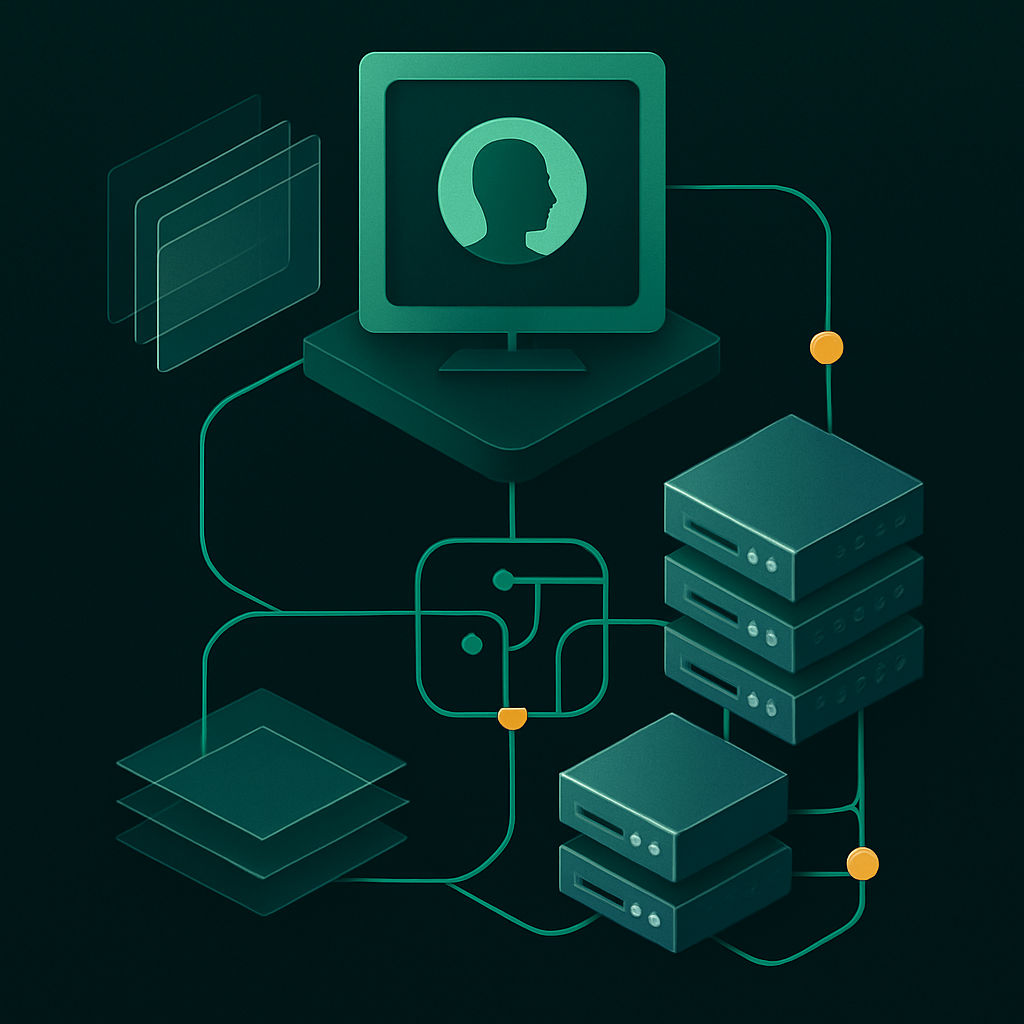
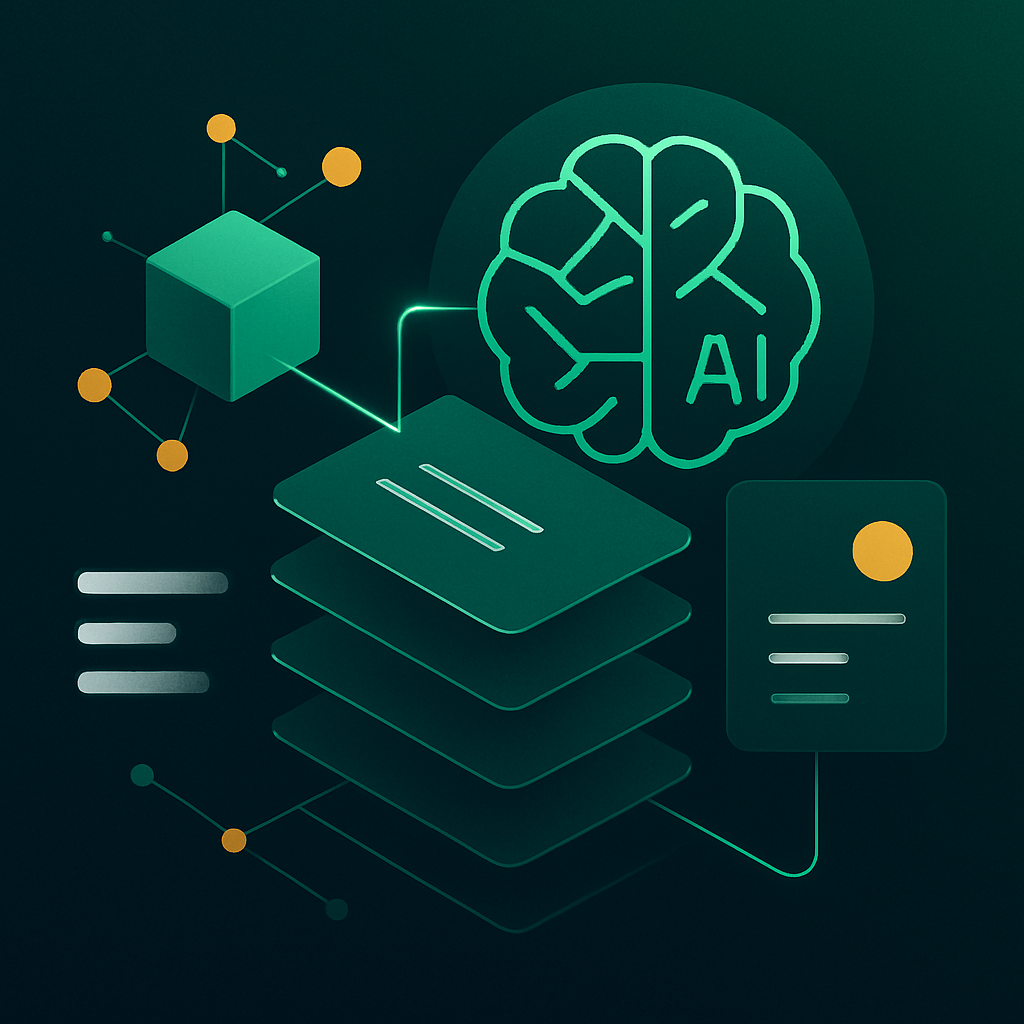
This diagram illustrates the central role of MCP in integrating AI models and data sources, enabling organizations to drive innovation and flexibility while ensuring security and compliance.