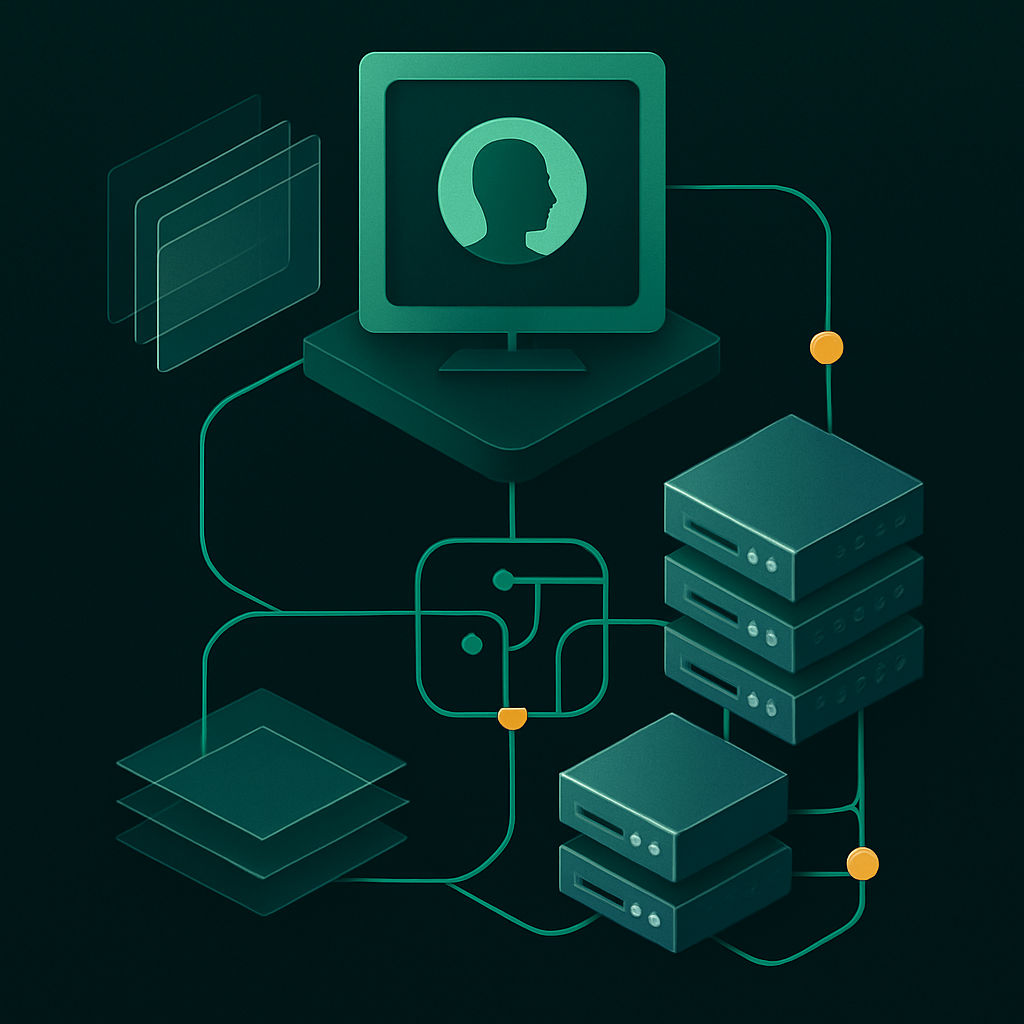
Introduction to Privacy Risk in MCP Deployments
The adoption of Model Context Protocol (MCP) in enterprise environments offers a wealth of opportunities for enhanced contextual understanding and decision-making. However, with these opportunities come significant privacy risks, especially when handling Personally Identifiable Information (PII). As enterprises leverage MCP technologies, ensuring compliance with privacy regulations like the General Data Protection Regulation (GDPR) becomes critical.
This article delves into strategic frameworks for assessing and mitigating privacy risks within MCP deployments, providing decision-makers and senior engineers with actionable insights to ensure compliance and safeguard PII effectively.
Understanding Regulatory Compliance and Privacy Risks
The Growing Importance of GDPR
GDPR represents one of the most stringent privacy regulations affecting enterprises worldwide. It mandates robust data protection measures and grants individuals significant control over their personal data. Failure to comply can result in hefty fines, tarnished reputations, and potential loss of consumer trust.
For enterprises using MCP, understanding the nuances of GDPR becomes crucial. The regulation emphasizes data minimization, purpose limitation, and lawfulness, demanding businesses to process only the data necessary for legitimate purposes.
Privacy Risks in MCP Deployments
MCP's ability to integrate and analyze vast amounts of contextual data brings inherent risks:
- Data Overexposure: The aggregation of PII can lead to unauthorized access if not properly controlled.
- Automated Decision-Making: MCP-driven decisions may inadvertently discriminate against individuals if biases in data are not addressed.
- Data Breaches: Centralized MCP systems can be attractive targets for cyberattacks seeking to exploit sensitive data.
Strategic Frameworks for Privacy Risk Management
Conducting Privacy Impact Assessments (PIAs)
A Privacy Impact Assessment (PIA) is a structured approach to identify and evaluate the privacy implications of MCP deployments:
- Map data flows: Identify where PII enters, moves through, and exits the MCP system.
- Analyze risks: Assess the likelihood and impact of potential privacy breaches.
- Implement controls: Develop actionable safeguards to mitigate identified risks.
Expert Tip: Make PIAs a standard component of your MCP deployment lifecycle to ensure continuous compliance and risk management.
Implementing Robust Data Governance Policies
Data governance is essential for ensuring that MCP implementations are aligned with regulatory requirements:
- Define clear data ownership and responsibilities within the organization.
- Establish data retention policies that comply with regulatory constraints.
- Incorporate data accuracy and quality checks to support MCP analytics.
Leveraging Technology for Privacy Compliance
Data Anonymization and Pseudonymization
Techniques such as data anonymization and pseudonymization play a pivotal role in reducing privacy risks:
- Anonymization: Irreversibly alters data such that individuals cannot be identified.
- Pseudonymization: Separates personal data from identifiers, providing a reversible but controlled means to enhance privacy.
By implementing these methods, enterprises can significantly mitigate the risk of data breaches while maintaining compliance.
Employing Security Best Practices
Security is a cornerstone of privacy protection in MCP environments. Consider these best practices:
- Use end-to-end encryption to secure data in transit and at rest.
- Ensure that access controls are in place, providing role-based access to sensitive information.
- Regularly audit and patch MCP systems to protect against exploits and vulnerabilities.
Building a Culture of Privacy Compliance
Training and Awareness
Cultivating a privacy-first mindset among employees is crucial. Conduct regular training sessions to educate staff about privacy risks and responsibilities associated with MCP. Such training should not be a one-time event but an ongoing process that evolves with the regulatory landscape and technological advancements.
Interactive workshops and e-learning modules can be effective in instilling a strong compliance culture. These training methods should engage employees through real-world scenarios that they might encounter in their daily tasks, making the learning experience more relatable and impactful. For instance, role-playing exercises that simulate data breach situations can significantly improve preparedness and response skills. Additionally, utilizing gamified learning tools, where employees earn points and rewards for correct answers, can increase engagement and knowledge retention.
To measure the effectiveness of training programs, organizations can implement pre- and post-training assessments. By evaluating the scores of employees, companies can identify knowledge gaps and adjust future training programs to address these areas. Moreover, conducting periodic compliance audits can help ensure that employees are consistently applying their training in their work practices.
Leadership and Accountability
Establishing a dedicated data privacy officer or team is vital to oversee compliance efforts. This group should liaise with all departments to ensure enterprise-wide alignment on privacy strategies. The data privacy team needs to have strong executive support to navigate organizational complexities and effect meaningful change. By reporting directly to senior management, the privacy officer can advocate effectively for the necessary resources and policies required to maintain high privacy standards.
Having a clear accountability framework is essential. Each department should have designated privacy champions who work with the privacy team to address specific regulatory requirements relevant to their functions. This decentralization of responsibility encourages proactive privacy management and fosters a sense of ownership across the organization.
Additionally, integrating privacy compliance metrics into performance reviews and KPIs encourages executives and employees alike to prioritize data privacy. By including these metrics in a balanced scorecard approach, companies can align individual performance evaluations with organizational privacy goals, thereby embedding privacy within the company's strategic objectives.
Finally, fostering a responsive feedback loop where employees can report potential privacy breaches anonymously encourages a culture of continual improvement. By addressing these feedback points and making necessary adjustments, organizations can move towards a robust and holistic privacy compliance strategy.
Measuring Value and ROI in Privacy Compliance
Long-Term Business Benefits
Beyond avoiding penalties, compliance with privacy regulations can lead to significant business advantages:
- Enhanced Brand Trust: Consumers are more inclined to trust organizations that demonstrate a commitment to privacy.
- Operational Efficiency: Streamlined data processes and governance frameworks can improve operational metrics.
- Innovation: Compliance frameworks can drive innovation by encouraging ethical data practices that support modern technologies such as MCP.
Evaluating ROI in Compliance Investments
Quantifying the ROI of privacy compliance efforts involves measuring both tangible and intangible benefits:
- Cost Avoidance: Consider the cost of potential fines, legal fees, and breach remediation efforts avoided through compliance.
- Market Positioning: Use compliance as a differentiator in customer acquisition and retention strategies.
- Employee Morale: A strong compliance posture can enhance staff confidence and productivity.
Conclusion: Strategic Privacy Risk Management in MCP
Implementing MCP with privacy compliance at its core is not merely a regulatory obligation but a strategic business decision. By embedding robust privacy risk management frameworks into their MCP deployments, enterprises can protect sensitive information, build trust with stakeholders, and ultimately enhance their market position.
Aligning Privacy with Strategic Business Goals
To integrate privacy into the strategic fabric of the organization, companies must align privacy goals with broader business objectives. This alignment ensures that privacy is not viewed as a cost center but as a critical enabler of business growth. For example, organizations can create competitive differentiation by showcasing their commitment to data privacy, appealing to increasingly privacy-conscious consumers. Furthermore, incorporating privacy as a core value can drive innovation, as products and services are designed with privacy-enhancing features from the outset.
Enhancing Trust and Reputation
Trust is a key differentiator in today's data-driven economy. By demonstrating a proactive approach to privacy compliance, companies can cultivate trust among customers, partners, and regulators. This trust not only strengthens existing relationships but also attracts new opportunities. Surveys indicate that enterprises with superior privacy practices achieve up to 30% higher customer retention rates. This is particularly critical in industries handling sensitive data, such as healthcare and finance, where the stakes for privacy breaches are even higher.
Operationalizing Privacy Risk Management
To truly embed privacy into MCP deployment, organizations must establish a continuous privacy risk management process. This involves regularly updating privacy impact assessments, leveraging technologies like automated compliance checks, and using advanced analytics to identify potential privacy risks before they materialize. A dynamic approach to privacy management ensures that organizations can swiftly adapt to new regulatory changes and threat landscapes. For instance, implementing a dashboard for real-time monitoring of data flows can provide insights into compliance status and facilitate quick decision-making.
Investing in Privacy-Driven Technologies
Strategic investments in privacy-driven technologies can significantly enhance an organization's compliance posture. Technologies such as data anonymization, automated data classification, and advanced access controls not only support regulatory compliance but also reduce the risk of data breaches. Investments in these areas should be evaluated for their ability to provide flexibility, scalability, and integration with existing MCP systems. Moreover, leveraging artificial intelligence for privacy-related processes can offer predictive insights, enabling preemptive action against potential breaches.
Driving Cultural Change through Leadership
An organization's leadership plays a pivotal role in instilling a privacy-first culture. This requires visible commitment from the board and C-suite, reflected in corporate policies and public statements. Leadership should prioritize privacy in strategic planning sessions, incorporate privacy metrics in performance reviews, and ensure accountability through governance structures that support privacy initiatives. Regular communication from leadership emphasizing the importance of privacy can galvanize the entire organization towards shared compliance goals.
Through deliberate strategies, continuous monitoring, and an organizational commitment to privacy, businesses can navigate the complex landscape of GDPR and similar regulations to achieve successful MCP integration. By viewing privacy as a business asset rather than a mere compliance hurdle, enterprises position themselves to unlock new opportunities and secure a competitive advantage in the digital age.